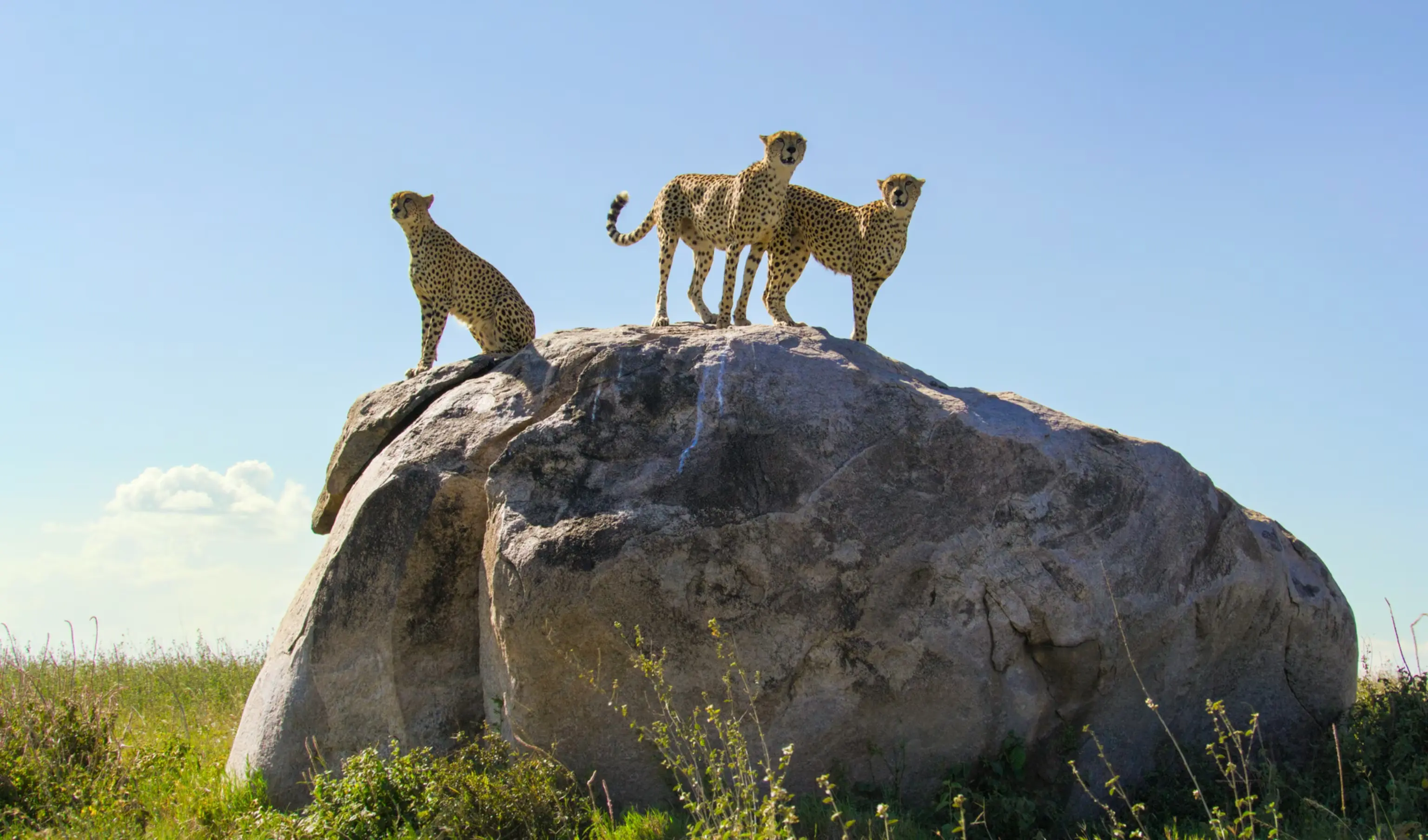
Serengeti National Park is arquably the most famous wildlife sanctuary in the world. Loctaed in northen Tanzania in Mara region, this UNESCO World Hertage Site covers a staggering 14763 square kilometers (5700 square miles). It forms the core of the larger Serengeti-Mara ecosystem, which spans approximately 30,000 square kilometers across Tanzania and Kenya, of course the is where the infamous Great Wildebeest Migration (Serengati Migration) take place year-round. Known as "Endless Plains", The Serengeti offers best wildlife experience and top safari activities to every tourist who visit the park.
The Serengeti's defining event is the Great Migration, the largest overland animal migration on Earth. Every year, over 1.5 million wildebeest, around 200,000 zebras, and hundreds of thousands of gazelles move in a giant clockwise route in search of fresh grazing and water. This circular movement includes the dramatic river crossing at the north where wildebeest, zebras and other herbivores attempt to cross the crocodile-infested Mara river an epic and adventurous sight for tourists.
Calving (January–February): The herds gather on the southern plains, where roughly 8,000 calves are born every day.
The Serengeti is one of the few places where you can reliably see the "Big Five" (Lion, Leopard, African Elephant, Cape Buffalo, and Black Rhino).
Visitors to the Serengeti can choose from a range of immersive experiences:
The Serengeti is a year-round destination, the park welcomes between 350,000 to 500,000 tourists annually, a number that has been steadily increasing as it continues to be recognized as Africa's premier safari destination. Though tourist can visit any time of the year but the experience changes with the seasons:
Ready to customize your dream tour? Our experts respond within 12 hours.
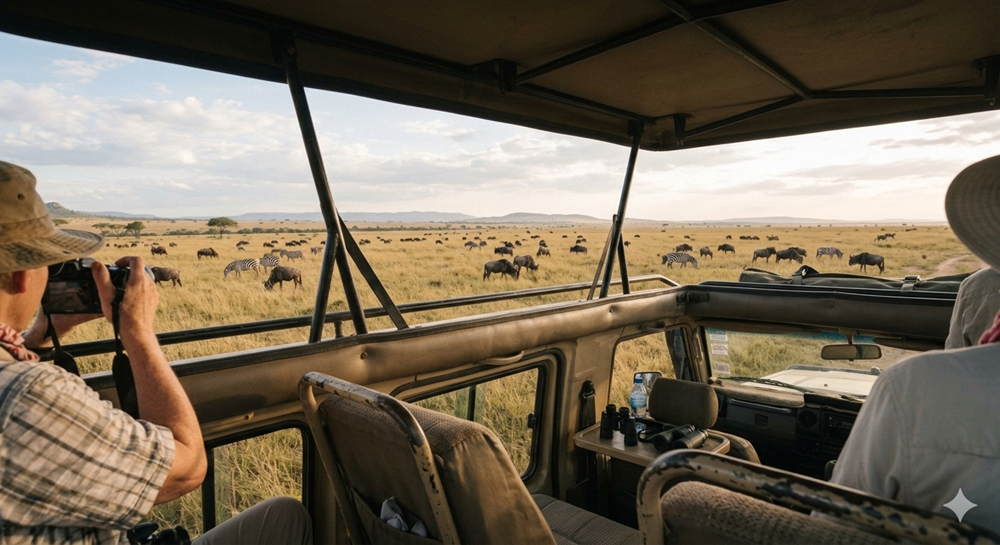 Group Tour Focus
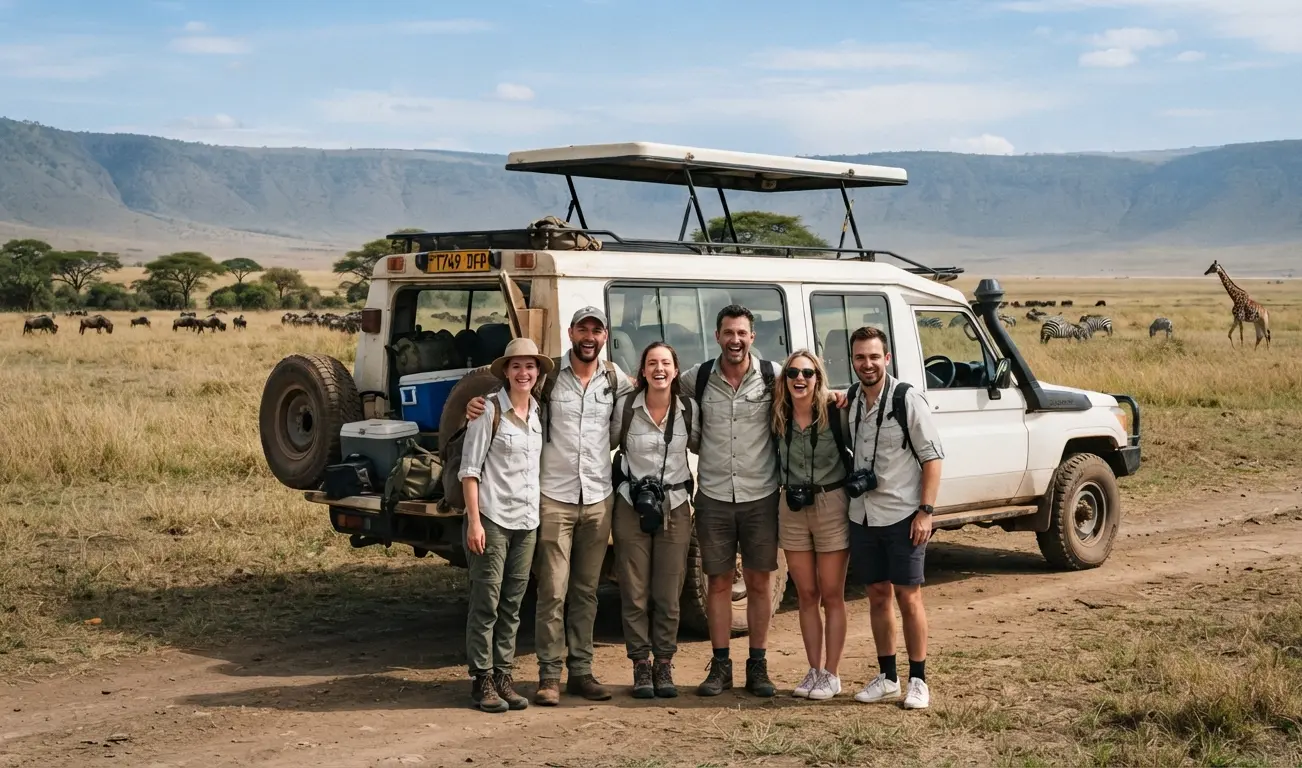 Group Tour Focus