Discover 6 Iconic Regions
Lake Manyara National Park
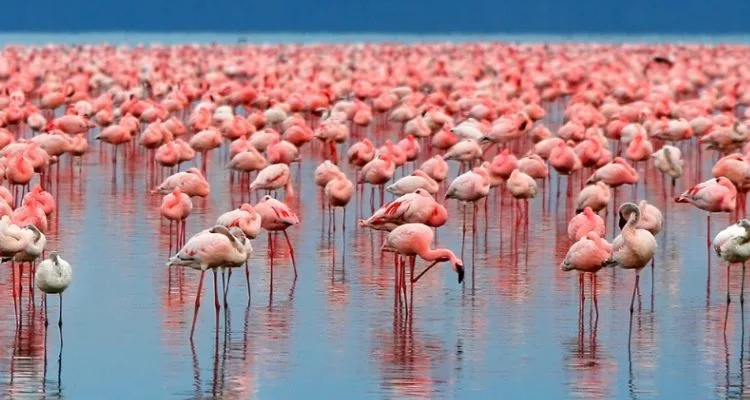
The Lake Manyara National Park And Tanzania Safari Lake Manyara is one of northern Tanzania best wildlife parks which is nestled at the base of majestic Great Rift Valley escarpment, though smaller than Serengeti and Tarangire it offers unique wildlife diversity and vast experience that is recommended by our local safari experts. The park is home to a shallow alkaline water body which is Lake Manyara often described by the American novelist - Ernest Hemingway as the "loveliest lake in Africa," this park also host a huge number of bird species and the famous tree-climbing lion that makes it the essential stop on the Northern Circuit Safari. The park's gate is situated directly adjacent to the bustling market town of Mto wa Mbu, making it incredibly accessible for short-term visitors. For travelers flying into the region, access is heavily modernizing; the nearby Lake Manyara Airport saw its expansion and modernization reach 65% completion in early 2026 to comfortably handle increased tourist traffic. Travel Distance: It sits roughly 126 kilometers southwest of Arusha. Drive Time: A smooth trip on tarred roads takes approximately 1.5 to 2 hours by car. Seasonality Note: Bring insect repellent, as the entry town of Mto wa Mbu literally translates to "River of Mosquitoes". Core Highlights and Attractions On Lake Manyara Park Tree-Climbing Lions: Unlike other typical big wild cats, the lions here have a rare habit of resting high in the branches of Acacia trees. The Groundwater Forest: Fed by pure underground springs, this dense evergreen forest at the park entrance is alive with baboon troops and acrobatic blue monkeys. Maji Moto Hot Springs: Located at the southern tip of the park, these highly photogenic geothermal waters bubble out of the ground at a steaming 60°C (140°F). Tanzania’s First Treetop Walkway: A thrilling 370-meter sky-high adventure where you can stroll along a suspended canopy bridge 18 meters above the forest floor. Hippo Pool Lookout: A raised viewing platform offering an up-close perspective of massive pods wallowing alongside majestic waterbirds. Lake Manyara Park Fees For 2026 Entry permits are valid for 24 hours for those staying inside the park, or a single entry for day visitors. Visitor Category Age Peak Season Total(Incl. 18% VAT) Low Season Total(Incl. 18% VAT) Non-Resident (International) Adult (16+) $59.00 USD $53.10 USD Non-Resident (International) Child (5–15) $17.70 USD $17.70 USD Foreign Resident / Expat Adult (16+) $29.50 USD $26.55 USD EAC Citizen (Tanzania, Kenya, etc.) Adult (16+) 11,800 TZS 11,800 TZS Best Time To Visit The Park Dry Season (June to October): Best for classic game viewing. Vegetation is thin, and large mammals gather along the predictable water sources. Wet Season (November to May): Best for birdwatching and landscape photography. The park turns beautifully lush, and the alkaline waters swell with migratory waterbirds and seasonal flamingo spectacles.
Explore Region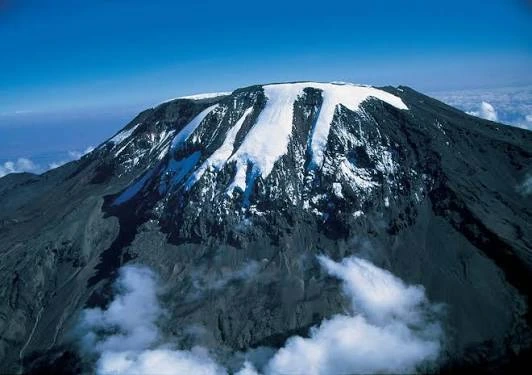
Mount Kilimanjaro National Park
Mount Kilimanjaro National Park Overview Mount Kilimanjaro National Park is a home to the "Roof of Africa", Mount Kilimanjaro standing at 5895m guarantees to be the highest lone standing in the world and the highest mountain in Africa. This UNESCO World Heritage Site was listed as one of the Seven Wonders of the Africa in 2013. Situated in northen Tanzania in Kilimanjaro region, This dormant stratovolcano consists of three different volcanic cones: Kibo (5,895m / 19,341ft): The youngest and highest peak, home to the famous Uhuru Peak. While dormant, it still emits steam and sulfurous gases. Mawenzi (5,149m / 16,893ft): A rugged, jagged peak to the east, popular for technical climbing rather than standard trekking. Shira (4,005m / 13,140ft): The oldest cone, which has collapsed into a scenic plateau. The Five Ecological Zones on Kilimanjaro One of the most fascinating aspects of climbing Kilimanjaro is that you pass through five distinct climate zones—the equivalent of traveling from the Equator to the Arctic in just a few days: Cultivation Zone (800m – 1,800m) Fertile lower slopes inhabited by the Chaga people, characterized by coffee and banana plantations. Rainforest Zone (1,800m – 2,800m) A lush, humid belt with ancient trees, mosses, and ferns. Heath and Moorland (2,800m – 4,000m) Cooler temperatures with unique flora like the Giant Senecios and Lobelias. Alpine Desert (4,000m – 5,000m) A desolate, lunar-like landscape with extreme temperature swings and very little vegetation. Arctic Summit (5,000m+) The zone of ice and rock. Here, oxygen levels are half of those at sea level, and glaciers still cling to the crater rim. Kilimanjaro Climbing Routes, Gates, and Camps There are seven established routes to reach the summit, each with its own starting gate, camping spots, and difficulty level. Route Name Start Gate Primary Camps Length (Days) Character Marangu Maramu Gate Mandara, Horombo, Kibo 5-6 Days The "Coca-Cola" route; only one with dormitory huts. Machame Machame Gate Machame, Shira 2, Barranco, Barafu 6-7 Days The "Whiskey" route; scenic but steep; high success rate. Lemosho Londorossi Gate Mti Mkubwa, Shira 1, Barranco, Karanga 7-8 Days Highly scenic, remote, and excellent for acclimatization. Rongai Nalemuru Gate Simba, Second Cave, Kibo 6-8 Days The only route approaching from the North (drier). Umbwe Umbwe Gate Umbwe, Barranco, Barafu 6-7 Days Shortest, steepest, and most taxing route. Northen Circuit Londorossi Gate Mti Mkubwa, Shira, Moir, School Hut 9+ Days 9+ Days The longest route; circles the northern slopes; 360° views. Route Length and Difficulty The total trekking distance varies between 62 km to 90 km (37 to 56 miles) depending on the route. While no technical climbing (ropes/harnesses) is required, the "difficulty" lies in the altitude. Routes that take 7 to 8 days have a much higher success rate because they allow the body to acclimatize to the thinning air. Wildlife on Kilimanjaro While most people visit Kilimanjaro for the trek, the lower slopes host significant biodiversity: Monkeys: Blue monkeys and the striking Black-and-white Colobus are common in the rainforest. Mammals: Though rare, elephants, buffaloes, and leopards have been spotted in the forest and moorland zones. Birds: Look out for the Hartlaub’s Turaco and the massive Verreaux’s Eagle. Accommodation and Transport Transport: Most climbers fly into Kilimanjaro International Airport (JRO). From there, it is a 1-hour drive to the towns of Moshi or Arusha, which serve as the base for all climbs. Accommodation: On the mountain the Marangu route, climbers stay in A-frame wooden huts. On all other routes, accommodation is strictly in high-quality mountain tents set up by your porters at designated campsites. Off the Mountain most packages include a hotel stay in Moshi or Arusha before and after the trek. Tourist Activities on The Mountain Summit Trekking: The primary draw for over 35,000 climbers annually. Day Hikes: For those not wanting to reach the top, guided day trips through the rainforest to the first hut (Mandara) are popular. Cultural Tours: Visiting the Chaga villages and Materuni Waterfalls at the base. Cycling: There are specific trails for mountain biking on the Shira Plateau. Best Time to Visit Kilimanjaro The best weather for climbing is during the two dry seasons: January to March: Generally colder, but the skies are clear and there is less foot traffic. June to October: The peak season. The weather is stable, though the popular routes (Machame/Marangu) can be crowded. It is best to avoid April and May, as this is the season of "long rains," which makes the forest trails muddy and the summit obscured by clouds.
Explore Region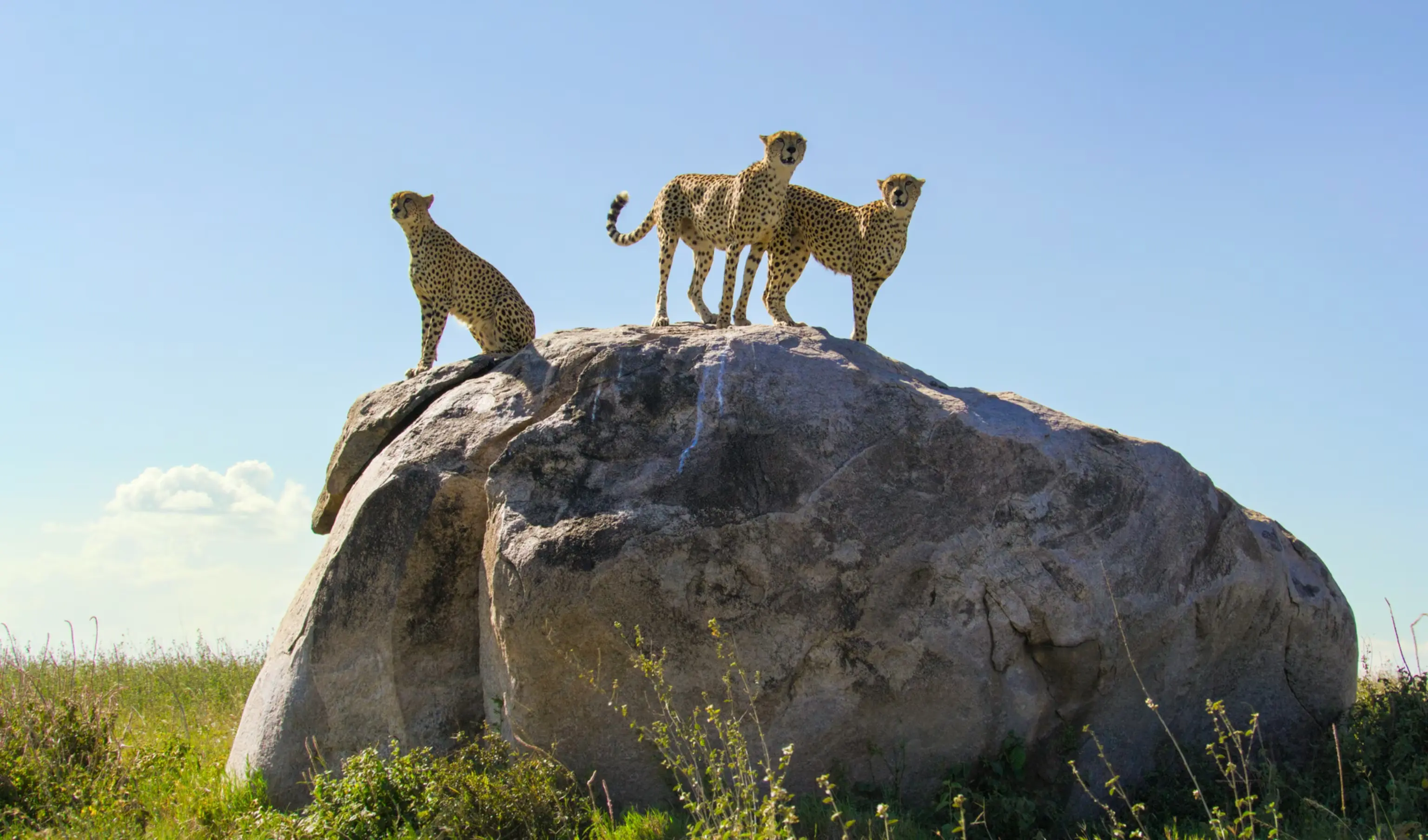
Serengeti National Park
Serengeti National Park Overview Serengeti National Park is arquably the most famous wildlife sanctuary in the world. Loctaed in northen Tanzania in Mara region, this UNESCO World Hertage Site covers a staggering 14763 square kilometers (5700 square miles). It forms the core of the larger Serengeti-Mara ecosystem, which spans approximately 30,000 square kilometers across Tanzania and Kenya, of course the is where the infamous Great Wildebeest Migration (Serengati Migration) take place year-round. Known as "Endless Plains", The Serengeti offers best wildlife experience and top safari activities to every tourist who visit the park. The Great Wildebeest Migration of Serengeti The Serengeti's defining event is the Great Migration, the largest overland animal migration on Earth. Every year, over 1.5 million wildebeest, around 200,000 zebras, and hundreds of thousands of gazelles move in a giant clockwise route in search of fresh grazing and water. This circular movement includes the dramatic river crossing at the north where wildebeest, zebras and other herbivores attempt to cross the crocodile-infested Mara river an epic and adventurous sight for tourists. Calving (January–February): The herds gather on the southern plains, where roughly 8,000 calves are born every day. The Trek North (April–June): As the plains dry out, the herds move north toward the Western Corridor. River Crossings (July–September): This is the most dramatic phase, as animals risk their lives crossing the crocodile-infested Mara River to reach the Maasai Mara. The Return (October–December): With the start of the short rains, the herds head back south to the nutrient-rich southern plains. Variety of Wildlife The Serengeti is one of the few places where you can reliably see the "Big Five" (Lion, Leopard, African Elephant, Cape Buffalo, and Black Rhino). Predators: It hosts the largest lion population in Africa (over 3,000) and is a stronghold for cheetahs, spotted hyenas, and elusive leopards. Herbivores: Beyond the migratory herds, you will find giraffes, hippos, waterbucks, topis, and elands. Birds: With over 500 recorded species, it is a birdwatcher's paradise, home to ostriches, Kori bustards, and vibrant lilac-breasted rollers. Tourist Activities Visitors to the Serengeti can choose from a range of immersive experiences: Game Drives: The most popular activity, usually conducted in 4x4 vehicles at dawn and dusk. Hot Air Balloon Safaris: A bucket-list experience providing a bird’s-eye view of the plains at sunrise. Walking Safaris: Guided nature walks that allow you to see the smaller details of the bush. Maasai Cultural Visits: Educational trips to local Bomas (villages) to learn about traditional Maasai culture. Bush Dining: Romantic breakfasts or "sundowner" drinks set in the middle of the wilderness. Accommodation and Transport How to get there: Most tourists arrive via a "flight-safari" into one of the park’s many airstrips (like Seronera or Kogatende) from Arusha or Zanzibar. Alternatively, you can take a scenic 8-hour drive from Arusha. Inside the park, transport is strictly via custom-built 4x4 Safari Land Cruisers with pop-up roofs for optimal viewing. Where to stay: Accommodation ranges from budget public campsites to mid-range tented camps and ultra-luxury lodges (such as the Four Seasons or Singita). Tented camps provide an authentic "under canvas" feel with modern comforts like en-suite bathrooms and gourmet meals. Best Time to Visit Serengeti The Serengeti is a year-round destination, the park welcomes between 350,000 to 500,000 tourists annually, a number that has been steadily increasing as it continues to be recognized as Africa's premier safari destination. Though tourist can visit any time of the year but the experience changes with the seasons: June to October (Dry Season): The best time for general wildlife viewing and the Mara River crossings. This is the peak season, and the park is busiest. January to February: The best time for the calving season in the south. April to May (Long Rains): The "Green Season." It is less crowded, more affordable, and the landscape is lush and beautiful, though some tracks can be muddy.
Explore Region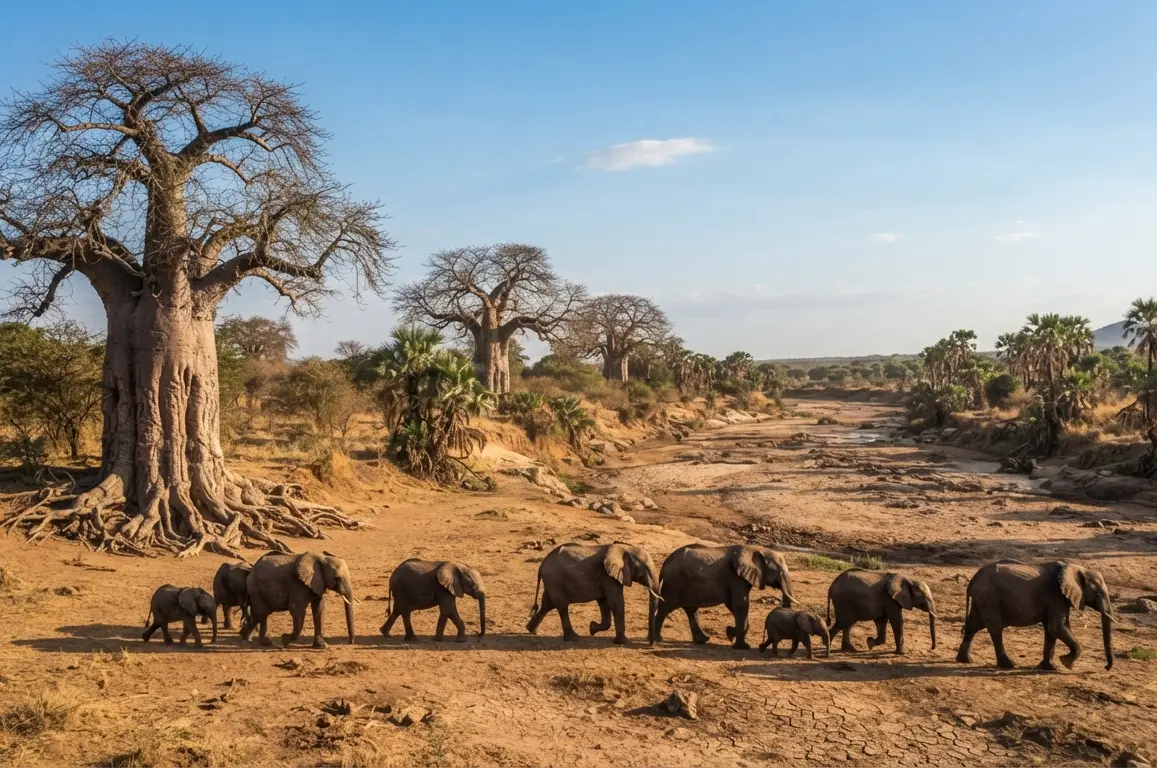
Tarangire National Park
The Tarangire National Park Overview Located approximately 120 kilometers (75 miles) southwest of Arusha, Tarangire National Park covers roughly 2,850 square kilometers (1,100 square miles), making it Tanzania’s sixth-largest national park. The park is widely regarded by safari veterans as the "hidden gem" of Tanzania’s Northern Circuit Safari. While it may not share the same global name recognition as the Serengeti, its prehistoric landscapes and unique historical narrative offer an arguably more intimate and raw wilderness experience. Important Facts About Tarangire National Park Size: About 2,850 sq km / 1,100 sq mi. Rank: 6th largest in Tanzania. Location: Manyara Region, northern Tanzania. Distance from Arusha: About 120 km (75 miles). Established: 1970. Tarangire Unique Ecology Tarangire’s ecosystem is defined by the Tarangire River and the Silale Swamp. Unlike other parks that may dry up completely, these water sources provide a permanent lifeline during the searing heat of the dry season. The Baobab Landscape: The park is famous for its "upside-down trees" (Adansonia digitata). These giants can live for over 1,000 years and serve as micro-ecosystems, providing nesting holes for birds and water storage for elephants, who often chew the bark for moisture. The Elephant Migration: During the dry season (June to October), Tarangire hosts a mini-migration. Up to 3,000 elephants may congregate in the park, making it one of the best places on earth for observing complex pachyderm social behavior. Top Tourist Activities in The Park To fully appreciate Tarangire’s "Land of Giants," travelers should look beyond the standard morning game drive. Because the park is less crowded than the Serengeti, it offers a more flexible range of activities, including some that are strictly prohibited in other major Tanzanian parks. Here are the top tourist activities in Tarangire National Park, curated with expert insights for a professional-grade safari experience. Exceptional Game Drives (Day & Night) Standard Day Drives: The most common way to see the park. Most wildlife is concentrated along the Tarangire River during the dry season. For the best photography, experts recommend the "Southern Circuit" to the Silale Swamp, where you’ll find massive herds of elephants and buffalo without the line of vehicles often found near the main gate. Night Game Drives: Unlike many other national parks, Tarangire allows night drives (usually starting around 8:00 PM). This is the only way to see nocturnal hunters like leopards on the prowl, as well as rarer species like civets, genets, and the curious-looking aardvark. Guided Walking Safaris Stepping out of the vehicle changes your perspective entirely. Accompanied by an armed TANAPA ranger and a professional guide, a walking safari allows you to: Track Animals: Learn to identify fresh tracks of lions or elephants. Study Micro-Ecology: Focus on the "Little Five" (elephant shrew, leopard tortoise, rhinoceros beetle, ant lion, and buffalo weaver). Ancient Botany: Get up close to the massive baobabs to see how elephants use their tusks to "mine" water from the bark. Hot Air Balloon Safaris A sunrise balloon flight over Tarangire is a surreal experience. Perspective: From above, you can truly grasp the scale of the baobab forests and the winding Tarangire River. The Experience: Most flights depart at dawn and conclude with a champagne bush breakfast under a baobab tree. Expert Tip: Ballooning in Tarangire often provides better wildlife sightings than in the Serengeti because the animals are more concentrated around the water sources. World-Class Birdwatching With over 550 species, Tarangire is arguably the best birding destination in Tanzania. Hotspots: The Silale Swamp is a magnet for water birds, including the Great White Pelican and various storks. Specials: Keep an eye out for the Yellow-collared Lovebird, the Ashy Starling, and the Rufous-tailed Weaver—all of which are endemic to this region of Tanzania. Timing: While birding is good year-round, the Green Season (November–April) brings colorful migratory species from Europe and North Africa. Cultural & Community Tours Tarangire is surrounded by the lands of the Maasai and the Barabaig (Datooga) people. Maasai Boma Visits: Many lodges offer visits to local homesteads. To ensure a "Trustworthy" and respectful experience, choose tours that prioritize authentic interaction over "staged" performances. Barabaig Blacksmiths: Some community tours allow you to visit the Barabaig, an older pastoralist group known for their skilled blacksmiths who still forge spearheads and jewelry using traditional methods. Unique Landmark Visits The Poacher’s Hide: An enormous, hollowed-out baobab tree that was historically used by poachers as a concealed base. Today, it serves as a fascinating historical stop for tourists. Kolo Rock Art Site: Located just outside the park, this UNESCO World Heritage site features ancient rock paintings (some up to 3,000 years old) created by hunter-gatherer groups. Where to Stay Inside The Park Your choice of accommodation determines your experience. Inside the Park: Staying inside (e.g., Tarangire Safari Lodge or Oliver’s Camp) allows you to be the first on the scene at sunrise. The "Golden Hour" in Tarangire is unmatched for photography. Outside the Boundary: Lodges in the Wildlife Management Areas (WMAs) allow for activities prohibited inside the park, such as night game drives and guided bush walks. When to Visit To provide the most trustworthy advice, travelers must understand that Tarangire is a highly seasonal park. June to October (The Dry Season): This is the Gold Standard for Tarangire. Wildlife is forced toward the river and swamps. Vegetation thins out, providing unobstructed views of predator-prey interactions. November to May (The Green Season): The park becomes a lush, emerald paradise. While many grazing animals migrate out toward the Maasai Steppe, this is the premier time for birding and "secret safari" seekers who want lower lodge rates and zero crowds.
Explore Region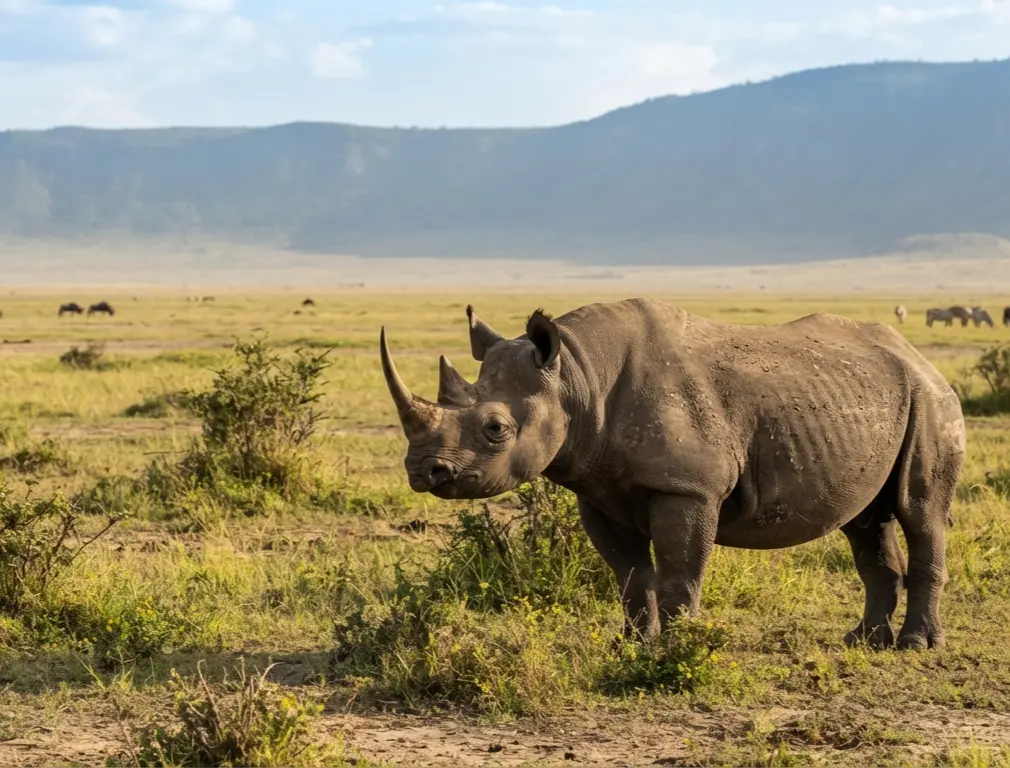
The Ngorongoro Conservation Area
The Ngorongoro Conservation Area (NCA) in northern Tanzania is one of the world's most significant natural wonders. The park is located approximately 180 km (3-4 hours drive) west of Arusha, often combined with trips to the Serengeti or Lake Manyara. While it is best known for the Ngorongoro Crater, the area is a massive, multi-faceted UNESCO World Heritage Site covering approximately 8,292 square kilometers (3,200 sq miles). The Ngorongoro Crater The centerpiece of the conservation area is the Ngorongoro Crater, the world's largest inactive, intact, and unfilled volcanic caldera. Formation: It formed about 2.5 million years ago when a giant volcano (estimated to be as tall as Mt. Kilimanjaro) exploded and collapsed into itself. Dimensions: The crater floor lies 610 meters (2,000 feet) below the rim, spanning roughly 260 square kilometers. Natural Enclosure: Its steep walls create a natural enclosure, meaning many of the 25,000–30,000 large mammals living there stay year-round, making it one of the best places in Africa for high-density wildlife viewing. Wildlife and Biodiversity The NCA is one of the few places where you can reliably see the "Big Five" in a single day. The Big Five: Lion, Leopard, African Elephant, Buffalo, and the critically endangered Black Rhino. The crater is one of the last places in Tanzania to see these rhinos in the wild. The Great Migration: The NCA’s short-grass plains (like the Ndutu region) are a critical part of the annual wildebeest migration. From January to March, the herds congregate here for the calving season. Other Species: Huge herds of zebra, wildebeest, and gazelle roam the floor, alongside hippos, hyenas, and over 500 species of birds, including massive flocks of flamingos in Lake Magadi. The Cradle of Mankind The NCA is a global hotspot for human history and paleoanthropology: Olduvai Gorge: Often called the "Cradle of Mankind," this site has yielded some of the most important hominid fossils in history, including evidence of human evolution dating back millions of years. Laetoli Footprints: Nearby, 3.6 million-year-old hominid footprints preserved in volcanic ash provide the earliest evidence of bipedalism (walking on two legs). The Ngorongoro Shifting Sand In addition to the crater and the "Cradle of Mankind," the Ngorongoro Conservation Area is home to a bizarre and fascinating geological phenomenon known as the Shifting Sands. Located north of Olduvai Gorge on the way to the Serengeti, these sands are unlike any other dunes in the world. The Shifting Sands consist of a single, crescent-shaped dune (technically called a barchan) made of fine, jet-black volcanic ash. The Science: The ash originated from the nearby active volcano Oldoinyo Lengai. Because the ash is highly enriched with iron-rich minerals like magnetite, it is highly magnetic. Gravity-Defying: If you take a handful of the sand and toss it into the air, the particles do not blow away with the wind like regular sand. Instead, they "clamp" back together and fall directly back onto the dune due to their magnetic properties. Speed: Driven by the powerful unidirectional winds of the Serengeti plains, the dune moves westward at an average rate of 15 to 20 meters (50–65 feet) per year. Tracking History: The Ngorongoro Conservation Area Authority has placed concrete markers to track the dune’s progress over the decades, allowing visitors to see exactly where the dune stood in previous years. Shape: It maintains its perfect crescent shape as it moves, standing about 9 meters high and stretching 100 meters along its curves. Sacred Status: Because the ash comes from Oldoinyo Lengai (which means "Mountain of God" in the Maa language), the Maasai believe the sands are a manifestation of the divine. In times of severe drought, Maasai elders have been known to gather at the dune to offer sacrifices (such as goats) and pray for rain. Top Activities To Experience Because the conservation area protects both natural habitats and archaeological landmarks, activities extend far beyond standard wildlife drives. Crater Floor Game Drives: Descend about 600 metres into the caldera floor for high-probability encounters with the full African Big Five, specifically tracking the rare black rhino. Crater Rim Walking Safaris: Take an armed ranger-guided trek through the mossy tropical highland forests tracking elusive leopards, unique flora, and rare highland birds. Olduvai Gorge Archaeological Tours: Explore the iconic Olduvai Gorge Museum to see 3.6-million-year-old early human fossil casts and footprints. Empakaai and Olmoti Crater Hiking: Head out on full-day remote mountain hikes down into neighboring volcanic craters featuring deep volcanic lakes, steep forested walls, and flamingo populations. Authentic Maasai Village Tours: Visit an active cultural Boma settlement to learn about traditional pastoralist medicine, dance customs, and unique architectural mud homes. Shifting Sand Dunes Exploration: View the mysterious, magnetized black ash dunes north of Olduvai Gorge that move silently across the plains at 17 metres per year. Best Time To Visit The absolute best time to visit depends on whether your priority is easy wildlife tracking, witnessing the Great Migration, or avoiding major tourist crowds. Season Months Focus & Highlights Trade-offs & Conditions Peak Dry Season June to October Easiest wildlife tracking; short grass; animals crowd permanent water holes. High visitor crowds; dust; peak premium lodging prices. Calving Season January to March Great Migration birthing on the Ndutu Plains; intense predator actions. Afternoon showers; high seasonal park traffic. Green Low Season April and May Emerald landscapes; zero crowds; lowest accommodation rates. Muddy tracks; heavy rains; dense grass hides smaller cats. Short Rains November & December Migratory birdwatching; refreshing bursts of rain; beautiful flowers. Short, heavy bursts of rain with quick periods of hot, sticky air in between. The Park Logistics And Accommodation Planning a visit to the Ngorongoro Conservation Area (NCA) requires more logistical preparation than most other Tanzanian parks due to its dual status as a conservation area and a residential zone for the Maasai. The Ngorongoro Conservation Area entry fee is about $70.80 per adult (16+) and $23.60 per child (5-15) per person/ applies for 24-hour. The Camping fees inside the crater goes up to $59 per adult (VAT included), for children it is about $11.80. Apart from other fees the park has a fee for every park descending to the rim which is about $295 per vehicle. This is the most significant cost and is paid every time your vehicle goes down into the crater floor. Inside the park at the crater rim the accommodation ranges from luxury , midrange and budget stay. The luxury includes &Beyond Ngorongoro Crater Lodge, The Highlands by Asilia and Lemala Ngorongoro. The Budget and Midrange includes Ngorongoro Serena Safari Lodge, Rhino Lodge and Simba A Campsite for budget enthusiasts. Outside the area the luxury stays includes Gibb’s Farm, The Retreat at Ngorongoro while the Midrange and Budget includes the Ngorongoro Farm House, Bougainvillea Safari Lodge and Foresight Eco Lodge for budget overnights.
Explore Region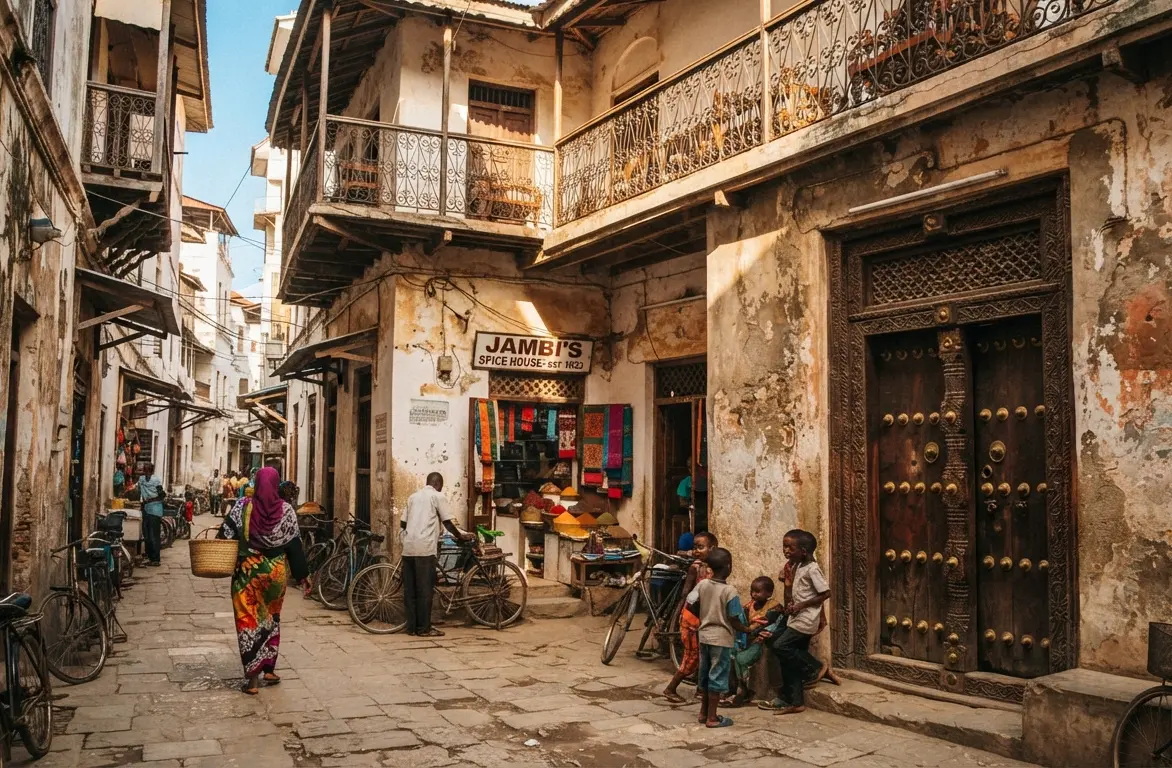
Zanzibar Island
Zanzibar Island Beach Holidays Zanzibar Island, known locally as Unguja, is a tropical archipelago in the Indian Ocean off the coast of Tanzania. Often referred to as the "Spice Island," it is a place where unique beach holiday and top cultural exploration is guaranteed from the scent of drying spices in the air to the blindingly white coral sands and vibrant azure waters. Key Highlights & Attractions Stone Town: This historic capital is a UNESCO World Heritage Site famous for its winding alleys. It showcases iconic, beautifully carved wooden doors, bustling local spice markets, and ancient Arab fortresses. World-Class Beaches: The northern coast features the vibrant waters of Nungwi and Kendwa, while the eastern coast offers the windy, turquoise shores of Paje, a global hub for kitesurfing. Jozani Chwaka Bay National Park: The island's only national park, protecting lush mangrove forests and the rare, indigenous Kirk's red colobus monkeys. Spice Plantations: Interactive walking tours allow you to taste and smell fresh cloves, nutmeg, vanilla, and cinnamon directly from the source. Prison Island (Changuu): A short 20-minute boat ride from Stone Town, home to a sanctuary of giant Aldabra tortoises and historical colonial ruins. What is Required For Zanzibar Zanzibar has introduced stricter entry protocols compared to the mainland. Mandatory ZIC Insurance: Since October 2024, all non-residents must purchase mandatory inbound travel insurance from the Zanzibar Insurance Corporation (ZIC). Cost: $44 USD per adult / $22 per child. Note: Your standard international travel insurance does not exempt you from this. You should buy it online at the official Visit Zanzibar portal before arrival to avoid long delays at immigration. Visa: If you already obtained a Tanzania Tourist Visa for your safari, it is valid for Zanzibar as well ($50 for most, $100 for US citizens). Infrastructure Tax: Hotels now collect a nightly tax ranging from $2 to $5 USD per person (depending on the hotel's star rating). Some high-end eco-resorts may charge up to $10. This is typically added to your final hotel bill. Zanzibar Holidays Signature Activities For 2026, a "Signature" Zanzibar holiday is defined by a blend of ancient Swahili heritage, world-class marine conservation, and high-end barefoot luxury. If you are planning your trip, these are the quintessential experiences that define the island's unique character. The Stone Town Heritage Walk: A guided journey through the UNESCO World Heritage site. Signature stops include the Old Fort, the Freddie Mercury Museum, and the Sultan’s Palace. In 2026, visitors can see the progress of the massive restoration of the House of Wonders. The Authentic Spice Farm Experience: Not just a walk, but a sensory journey. You’ll visit rural plantations to see how cloves, vanilla, and nutmeg grow. Most tours now include a traditional Swahili cooking class and lunch served on banana leaves. Jozani Forest & Red Colobus Safari: A visit to Zanzibar’s only national park to see the Red Colobus Monkey, which exists nowhere else on Earth. The experience involves walking the elevated boardwalks through the ancient mangrove swamps. The "Blue Safari": Often called the best day trip in East Africa. Departing from Fumba, you sail in a traditional wooden dhow to the Menai Bay Conservation Area. It features snorkeling, swimming in a "hidden" mangrove lagoon, and a signature seafood banquet on a remote sandbank. Mnemba Atoll Snorkeling: The "crown jewel" of Zanzibar’s reefs. While the island itself is private (&Beyond), the surrounding reef is open for snorkeling. It is famous for crystal-clear 30-meter visibility and frequent encounters with wild bottlenose dolphins. Sunset Dhow Cruise: A peaceful late-afternoon sail along the Stone Town or Nungwi coastline. The signature version includes live Taarab music (traditional Swahili orchestral music), light appetizers, and drinks as the sun dips into the Indian Ocean. Dining at The Rock Restaurant: Perched on a literal rock in the ocean off the Michamvi Peninsula. At high tide, you take a small boat to the restaurant; at low tide, you can walk across the sand. It remains one of the world's most photographed dining locations. The Baraka Natural Aquarium: Located in Nungwi, this is a conservation pond where you can swim with rescued sea turtles. It’s a signature family-friendly activity that supports local turtle rehabilitation. Seaweed Center (Paje): A social enterprise where you can see local women harvesting seaweed. You can participate in making seaweed soaps and creams a signature "community tourism" experience. Best Time To Visit Zanzibar The "best" time for a beach holiday in Zanzibar depends on whether you value perfect weather, underwater clarity, or avoiding crowds. For 2026, the calendar is divided into two distinct dry seasons and two rainy seasons. June to Octobe (Cool & Dry): Constant sunshine, low humidity, and temperatures averaging 25–28°C (77–82°F). The "Kusi" southeast trade winds provide a refreshing breeze. It aligns perfectly with the peak safari season in Ngorongoro and the Serengeti, allowing for the classic "Bush and Beach" combination. January to February (Hot & Dry): Daytime temperatures often hit 32–35°C (90–95°F). Humidity is higher than in the winter months, but the skies are brilliantly blue. This is the absolute best time for diving and snorkeling in the North (Nungwi and Kendwa). The "Kaskazi" winds from the north are light, making for glassy, mirror-like ocean surfaces. It is a great escape for those fleeing the Northern Hemisphere winter. It is also the best time to see whale sharks near the neighboring Mafia Island. November to mid-December (Short Rains): You will likely see "short rains" brief, heavy tropical downpours that usually happen in the late afternoon and clear up within 30 minutes. Hotels often offer lower rates during this window before the expensive Christmas/New Year peak. The island is lush, green, and much quieter. April and May (Long Rains): This is the only time of year when a beach holiday can be "ruined" by weather. These are not brief showers; it can rain for days at a time. Many smaller boutique lodges and beach bungalows close entirely for maintenance during these two months, If you are a hardcore budget traveler, the large international resorts that stay open offer discounts of up to 50%, but expect grey skies and muddy roads.
Explore RegionQuick Inquiry
Ready to customize your dream tour? Our experts respond within 12 hours.