Explore
Start Your Journey
The Ngorongoro Conservation Area
Home Destinations Details
Discover More About

The Ngorongoro Conservation Area

View Associated Tours

The Ngorongoro Conservation Area (NCA) in northern Tanzania is one of the world's most significant natural wonders. The park is located approximately 180 km (3-4 hours drive) west of Arusha, often combined with trips to the Serengeti or Lake Manyara. While it is best known for the Ngorongoro Crater, the area is a massive, multi-faceted UNESCO World Heritage Site covering approximately 8,292 square kilometers (3,200 sq miles).

The Ngorongoro Crater

The centerpiece of the conservation area is the Ngorongoro Crater, the world's largest inactive, intact, and unfilled volcanic caldera.

Formation: It formed about 2.5 million years ago when a giant volcano (estimated to be as tall as Mt. Kilimanjaro) exploded and collapsed into itself.

Dimensions: The crater floor lies 610 meters (2,000 feet) below the rim, spanning roughly 260 square kilometers.

Natural Enclosure: Its steep walls create a natural enclosure, meaning many of the 25,000–30,000 large mammals living there stay year-round, making it one of the best places in Africa for high-density wildlife viewing.

Wildlife and Biodiversity

The NCA is one of the few places where you can reliably see the "Big Five" in a single day.

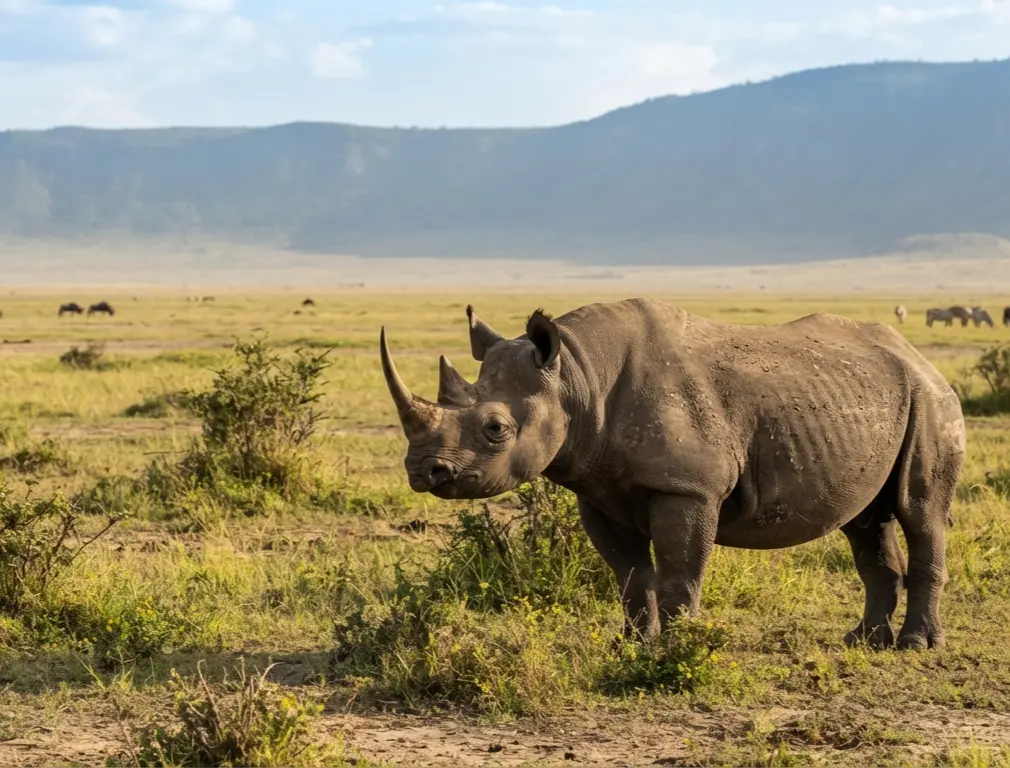
The Big Five: Lion, Leopard, African Elephant, Buffalo, and the critically endangered Black Rhino. The crater is one of the last places in Tanzania to see these rhinos in the wild.

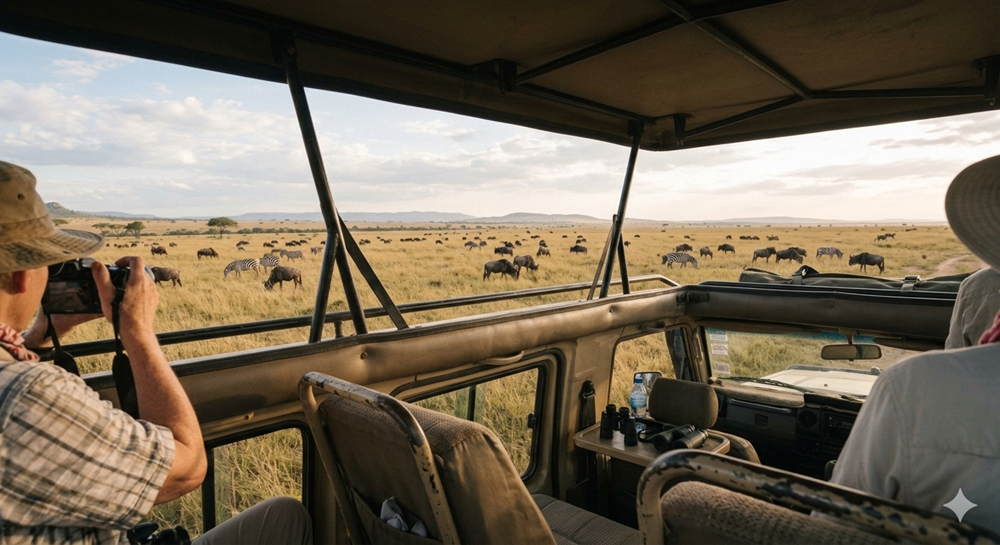
The Great Migration: The NCA’s short-grass plains (like the Ndutu region) are a critical part of the annual wildebeest migration. From January to March, the herds congregate here for the calving season.

Other Species: Huge herds of zebra, wildebeest, and gazelle roam the floor, alongside hippos, hyenas, and over 500 species of birds, including massive flocks of flamingos in Lake Magadi.

The Cradle of Mankind

The NCA is a global hotspot for human history and paleoanthropology:

  • Olduvai Gorge: Often called the "Cradle of Mankind," this site has yielded some of the most important hominid fossils in history, including evidence of human evolution dating back millions of years.
  • Laetoli Footprints: Nearby, 3.6 million-year-old hominid footprints preserved in volcanic ash provide the earliest evidence of bipedalism (walking on two legs).

The Ngorongoro Shifting Sand

In addition to the crater and the "Cradle of Mankind," the Ngorongoro Conservation Area is home to a bizarre and fascinating geological phenomenon known as the Shifting Sands. Located north of Olduvai Gorge on the way to the Serengeti, these sands are unlike any other dunes in the world. The Shifting Sands consist of a single, crescent-shaped dune (technically called a barchan) made of fine, jet-black volcanic ash.

  • The Science: The ash originated from the nearby active volcano Oldoinyo Lengai. Because the ash is highly enriched with iron-rich minerals like magnetite, it is highly magnetic.
  • Gravity-Defying: If you take a handful of the sand and toss it into the air, the particles do not blow away with the wind like regular sand. Instead, they "clamp" back together and fall directly back onto the dune due to their magnetic properties.
  • Speed: Driven by the powerful unidirectional winds of the Serengeti plains, the dune moves westward at an average rate of 15 to 20 meters (50–65 feet) per year.
  • Tracking History: The Ngorongoro Conservation Area Authority has placed concrete markers to track the dune’s progress over the decades, allowing visitors to see exactly where the dune stood in previous years.
  • Shape: It maintains its perfect crescent shape as it moves, standing about 9 meters high and stretching 100 meters along its curves.
  • Sacred Status: Because the ash comes from Oldoinyo Lengai (which means "Mountain of God" in the Maa language), the Maasai believe the sands are a manifestation of the divine. In times of severe drought, Maasai elders have been known to gather at the dune to offer sacrifices (such as goats) and pray for rain.

Top Activities To Experience

Because the conservation area protects both natural habitats and archaeological landmarks, activities extend far beyond standard wildlife drives.

  • Crater Floor Game Drives: Descend about 600 metres into the caldera floor for high-probability encounters with the full African Big Five, specifically tracking the rare black rhino.
  • Crater Rim Walking Safaris: Take an armed ranger-guided trek through the mossy tropical highland forests tracking elusive leopards, unique flora, and rare highland birds.
  • Olduvai Gorge Archaeological Tours: Explore the iconic Olduvai Gorge Museum to see 3.6-million-year-old early human fossil casts and footprints.
  • Empakaai and Olmoti Crater Hiking: Head out on full-day remote mountain hikes down into neighboring volcanic craters featuring deep volcanic lakes, steep forested walls, and flamingo populations.
  • Authentic Maasai Village Tours: Visit an active cultural Boma settlement to learn about traditional pastoralist medicine, dance customs, and unique architectural mud homes.
  • Shifting Sand Dunes Exploration: View the mysterious, magnetized black ash dunes north of Olduvai Gorge that move silently across the plains at 17 metres per year.

Best Time To Visit

The absolute best time to visit depends on whether your priority is easy wildlife tracking, witnessing the Great Migration, or avoiding major tourist crowds.

Season Months Focus & Highlights Trade-offs & Conditions
Peak Dry Season June to October Easiest wildlife tracking; short grass; animals crowd permanent water holes. High visitor crowds; dust; peak premium lodging prices.
Calving Season January to March Great Migration birthing on the Ndutu Plains; intense predator actions. Afternoon showers; high seasonal park traffic.
Green Low Season April and May Emerald landscapes; zero crowds; lowest accommodation rates. Muddy tracks; heavy rains; dense grass hides smaller cats.
Short Rains November & December Migratory birdwatching; refreshing bursts of rain; beautiful flowers. Short, heavy bursts of rain with quick periods of hot, sticky air in between.

The Park Logistics And Accommodation

Planning a visit to the Ngorongoro Conservation Area (NCA) requires more logistical preparation than most other Tanzanian parks due to its dual status as a conservation area and a residential zone for the Maasai.

  • The Ngorongoro Conservation Area entry fee is about $70.80 per adult (16+) and $23.60 per child (5-15) per person/ applies for 24-hour.
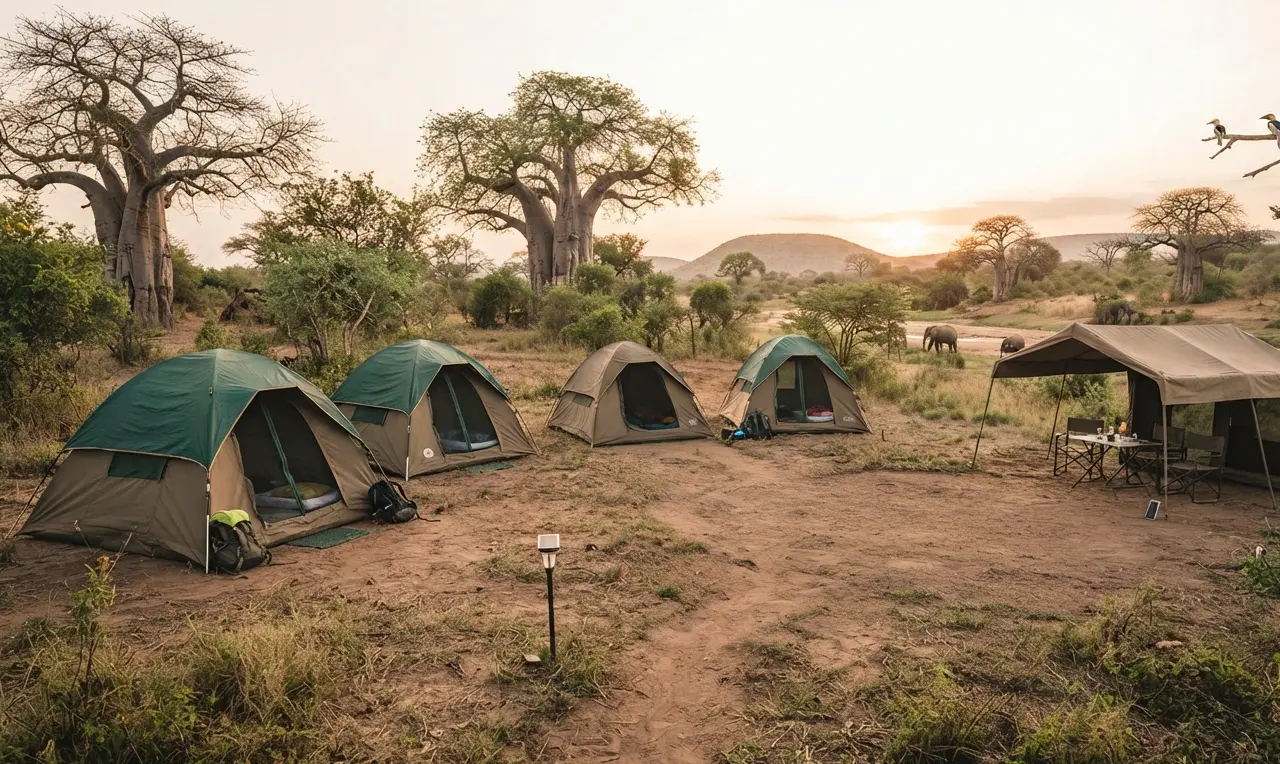
  • The Camping fees inside the crater goes up to $59 per adult (VAT included), for children it is about $11.80.
  • Apart from other fees the park has a fee for every park descending to the rim which is about $295 per vehicle. This is the most significant cost and is paid every time your vehicle goes down into the crater floor.
  • Inside the park at the crater rim the accommodation ranges from luxury , midrange and budget stay. The luxury includes &Beyond Ngorongoro Crater Lodge, The Highlands by Asilia and Lemala Ngorongoro. The Budget and Midrange includes Ngorongoro Serena Safari Lodge, Rhino Lodge and Simba A Campsite for budget enthusiasts.
  •  Outside the area the luxury stays includes Gibb’s Farm, The Retreat at Ngorongoro while the Midrange and Budget includes the Ngorongoro Farm House, Bougainvillea Safari Lodge and Foresight Eco Lodge for budget overnights.


Quick Inquiry

Ready to customize your dream tour? Our experts respond within 12 hours.
Exclusive Selection

Featured Tours for The Ngorongoro Conservation Area

Showing 4 Handpicked Journeys
4-day Tanzania Group Sharing Safari: Tarangire, Serengeti, and Ngorongoro Crater Group Tour Focus
4 Days / 3 Nights
Wildlife Safari

4-day Tanzania Group Sharing Safari: Tarangire, Serengeti, and Ngorongoro Crater

Serengeti National Park, Tarangire National Park, The Ngorongoro Conservation Area

From $933/pp
View Details
3-Day Tanzania Budget Camping Safari Tour Package Budget Focus
3 Days / 2 Nights
Wildlife Safari

3-Day Tanzania Budget Camping Safari Tour Package

Tarangire National Park, The Ngorongoro Conservation Area

From $780/pp
View Details
3-Day Tanzania Group Safari Tour Itinerary 2026-2027 Group Tour Focus
3 Days / 2 Nights
Wildlife Safari

3-Day Tanzania Group Safari Tour Itinerary 2026-2027

Serengeti National Park, The Ngorongoro Conservation Area

From $885/pp
View Details
3 Days Tanzania Luxury Safari Itinerary Private Tour Focus
3 Days / 2 Nights
Wildlife Safari

3 Days Tanzania Luxury Safari Itinerary

Tarangire National Park, Lake Manyara National Park, The Ngorongoro Conservation Area

From $2,200/pp
View Details