Understanding the 2-Day Luxury Tour Route and Daily Experience
The Northern Circuit of Tanzania is one of the most famous wildlife systems in the world. Tarangire National Park, Lake Manyara National Park, the Ngorongoro Conservation Area, and the Serengeti ecosystem all connect across this open landscape. Wildlife animals migrate between these reserves using ancient corridors based on rainfall and food availability. In Tarangire, the river acts as a permanent water lifeline during dry months, drawing thousands of animals out of the surrounding bush.
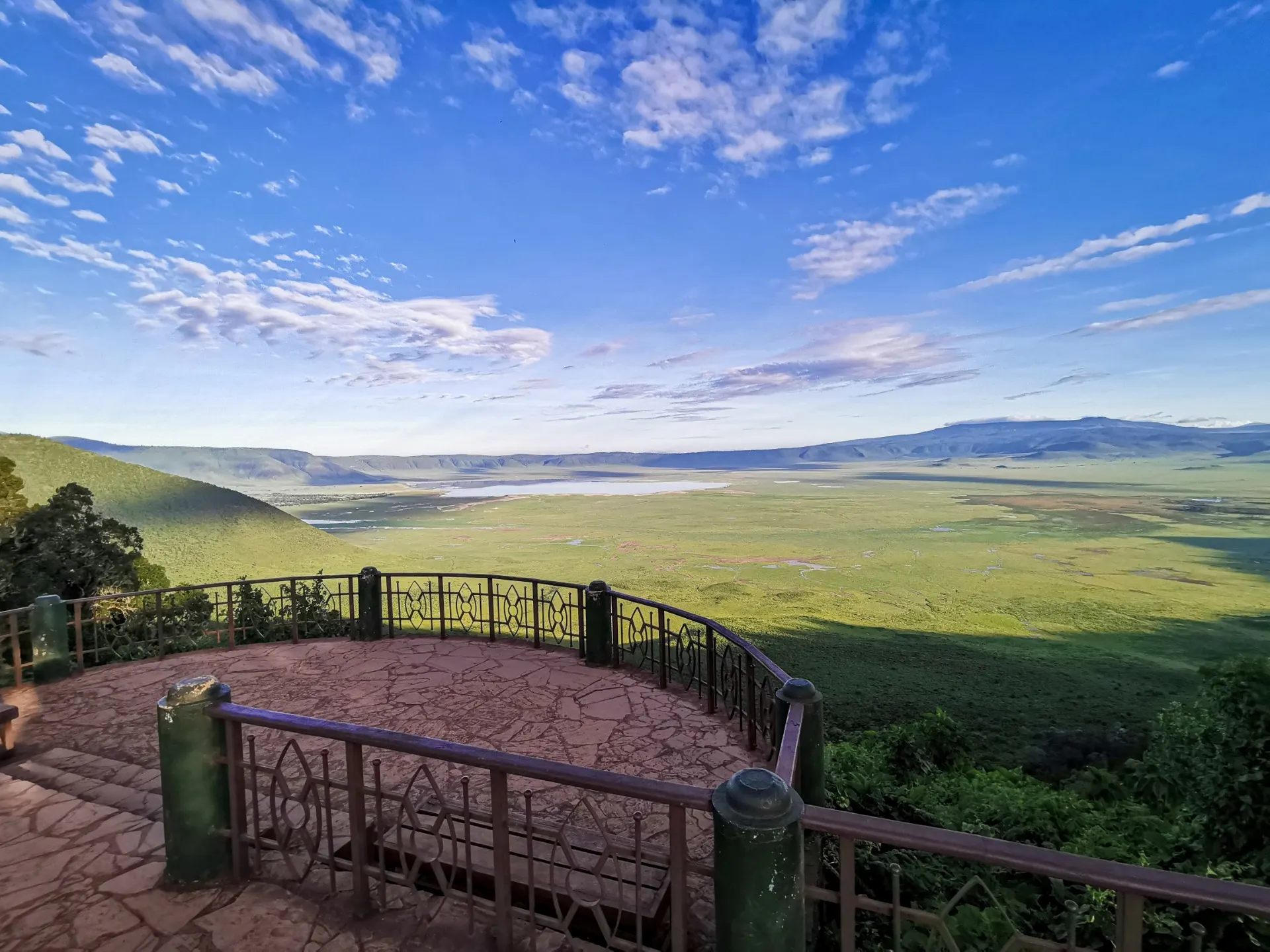
As you move from Tarangire toward Ngorongoro, your route runs alongside the Great Rift Valley wall where Lake Manyara sits at the base of the escarpment. The elevation rises sharply from 1,000 meters (3,280 feet) on the valley floor up to 2,300 meters (7,545 feet) along the crater rim. This quick change in altitude brings cool mountain air, thick rainforests, and completely different wildlife species. Looking west from the higher points of the Ngorongoro Highlands, you can see the land slope down into the vast short-grass plains of the southern Serengeti, showing how closely these great wildlife parks connect.
Your daily safari experience is organized around the natural habits of wild animals. In the early morning, big cats like lions and cheetahs hunt while temperatures are fresh. By midday, animals seek the shade of acacia trees and river pools, which provides a natural break for your own picnic lunch. Late afternoon brings renewed animal movement as the sun cools down, giving you crisp light for photography before you head back to your lodge for dinner.
Tanzania Luxury Safari Packing List
Packing properly ensures you stay comfortable across changing temperatures between hot savanna plains and chilly mountain crater rims. Use these practical packing recommendations:
- Soft-Sided Duffel Bags: Bring your gear in soft canvas duffel bags rather than rigid hard-shell suitcases. Soft bags fit easily into the rear luggage compartment of the safari vehicle.
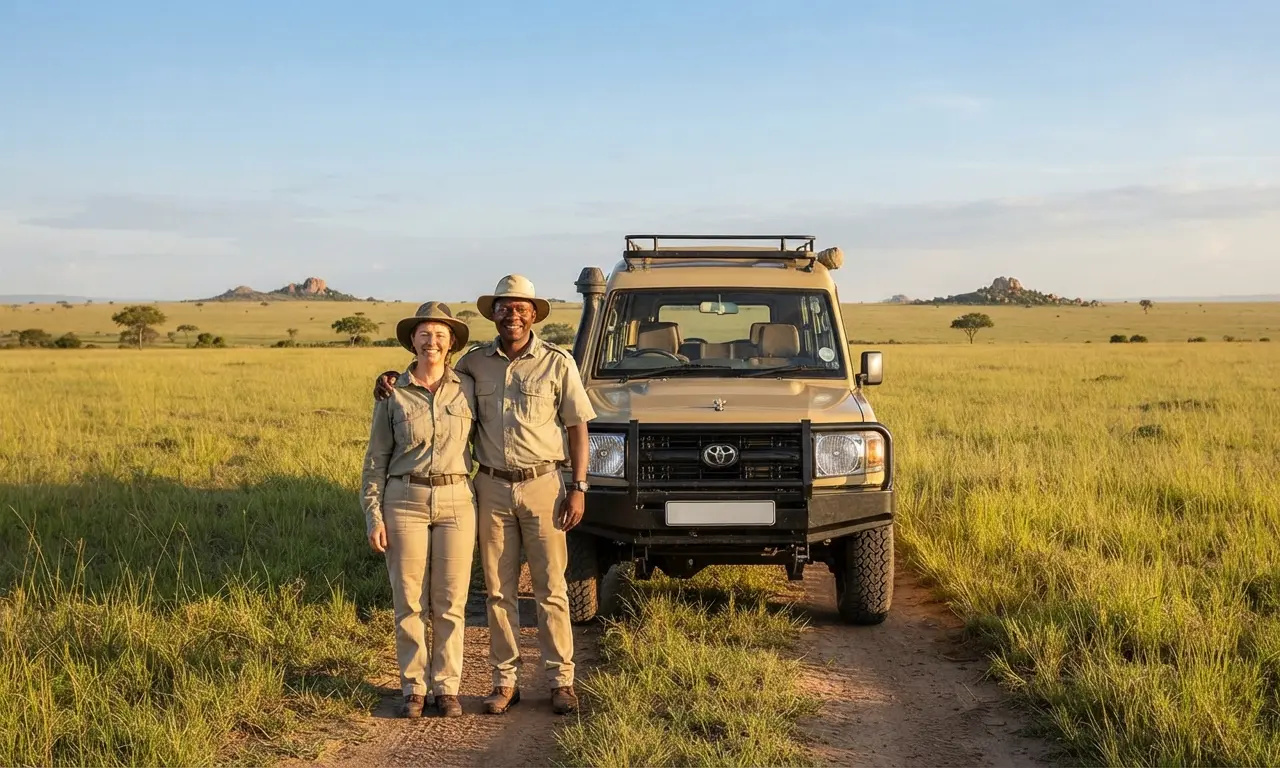
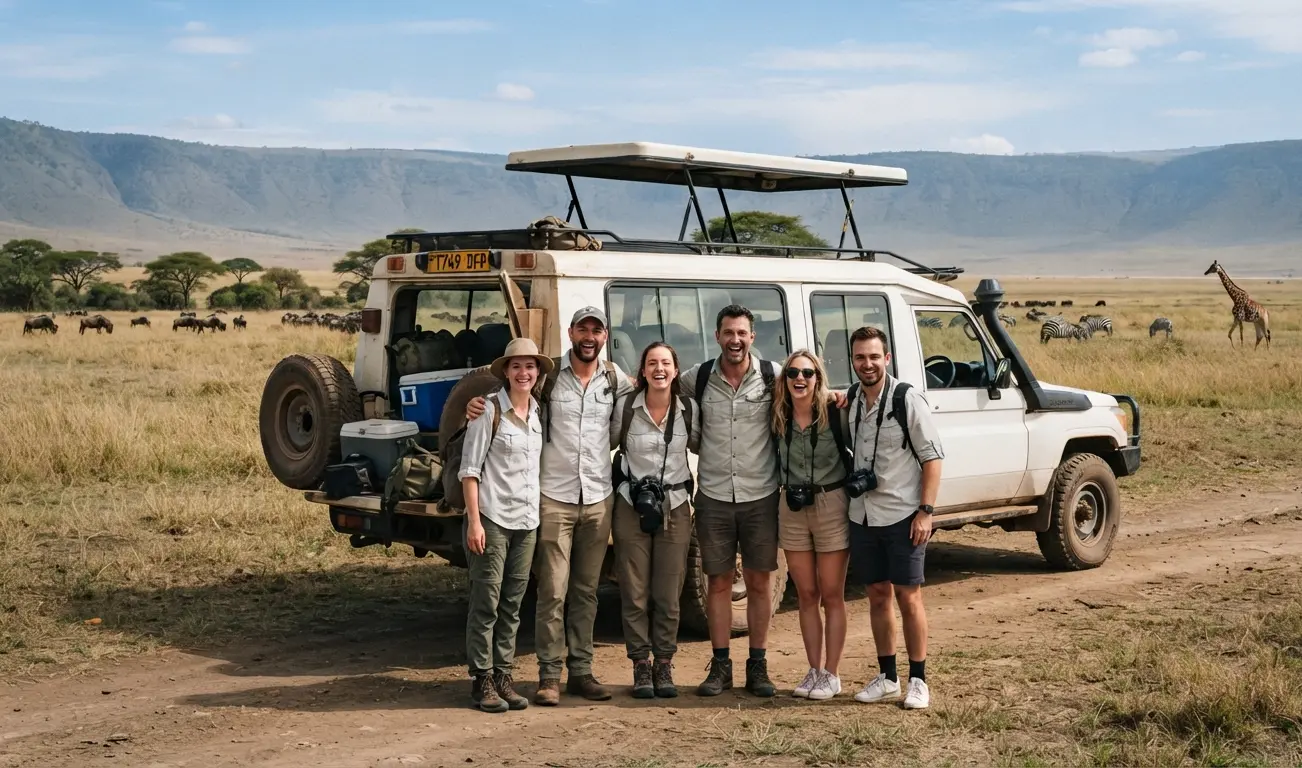
- Neutral Clothing Colors: Pack lightweight cotton clothing in khaki, beige, olive, and brown tones. Avoid dark blue and black clothing because these colors attract biting tsetse flies in woodland areas. Also avoid bright white shirts that show road dust quickly.
- Warm Morning Layers: The Ngorongoro Crater rim sits over 2,200 meters (7,200 feet) above sea level, where early morning temperatures often drop to 10°C (50°F). Pack a windproof warm fleece, a lightweight jacket, and a neck scarf for morning drives.
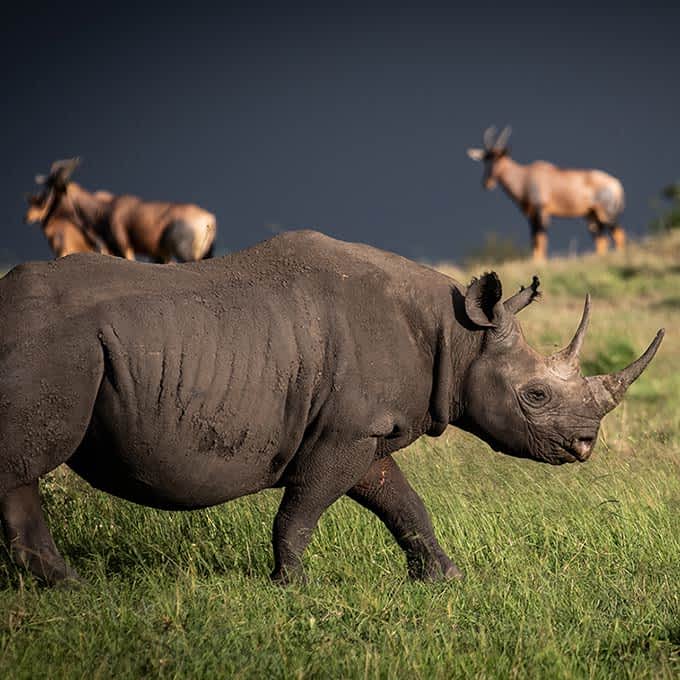
- Quality Binoculars: While your guide carries a vehicle pair, having your own 8x42 or 10x42 binoculars allows you to scan the plains for leopards in trees and rhinos in the distance without waiting to share.
- Sun and Dust Protection: Bring polarized sunglasses, wide-brim safari hats with chin straps, high SPF sunscreen, and moisturizing lip balm to guard against bright equatorial sun and savanna wind.
- Power and Camera Accessories: Pack an extra camera battery, high-capacity memory cards, a lens-cleaning blower bulb for dust removal, and a UK Type-G travel adapter plug to keep devices charged at your lodge.