What to Pack for a Camping Safari
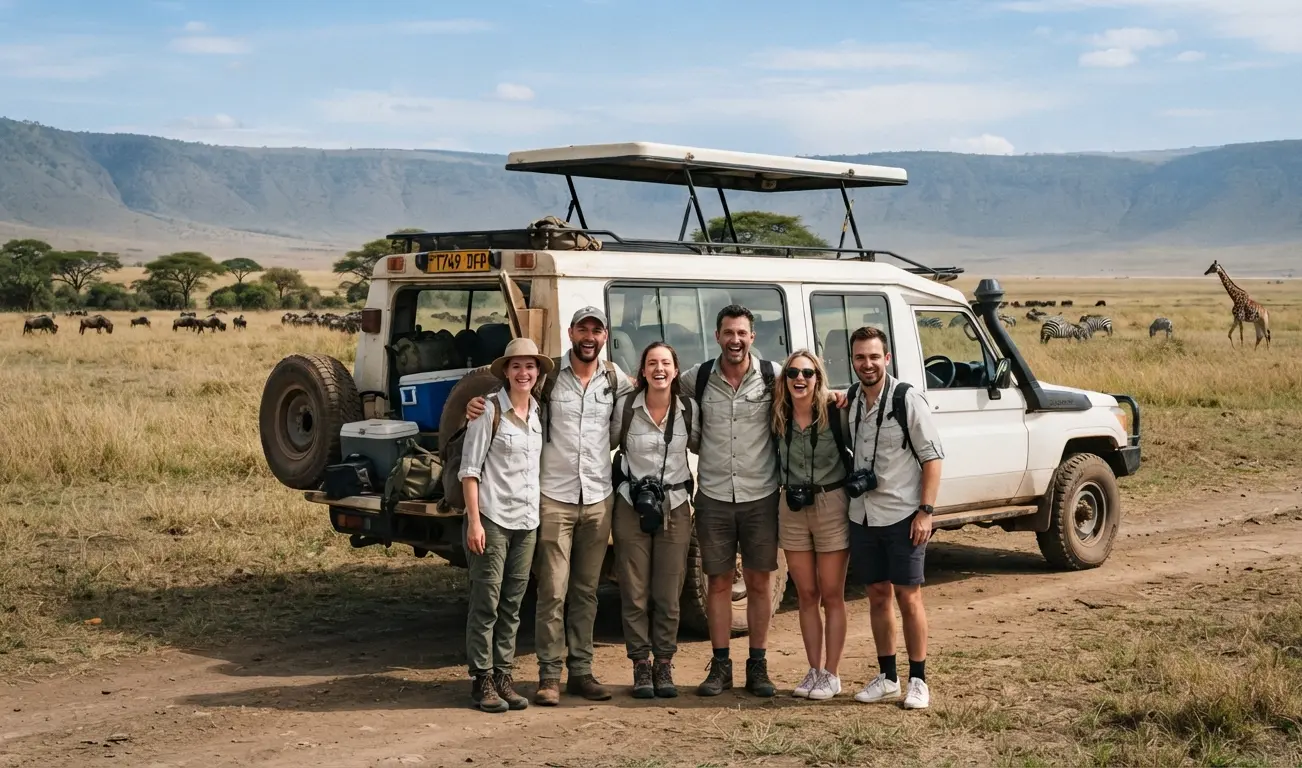
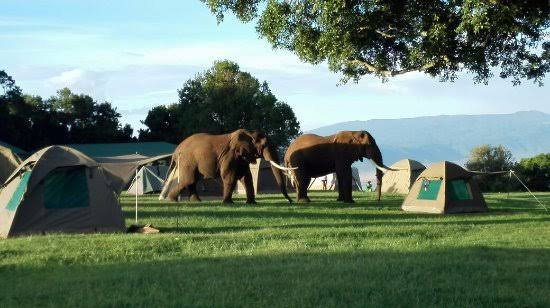
- Clothing Layers: Lightweight cotton for the day; a heavy fleece or down jacket for Ngorongoro nights.
- Headlamp: Essential for finding the bathroom or your tent at night (hands-free is better than a phone flashlight).
- Power Bank: While vehicles have chargers, they are slow. A 20,000mAh power bank is recommended.
- Quick-Dry Towel & Toiletries: Campsite showers are basic. Bring your own soap, shampoo, and a microfiber towel.
- Dust Protection: A "Buff" or bandana to cover your nose and mouth during dusty drives.
- Footwear: Comfortable sneakers or light hiking boots; flip-flops for the campsite/showers.
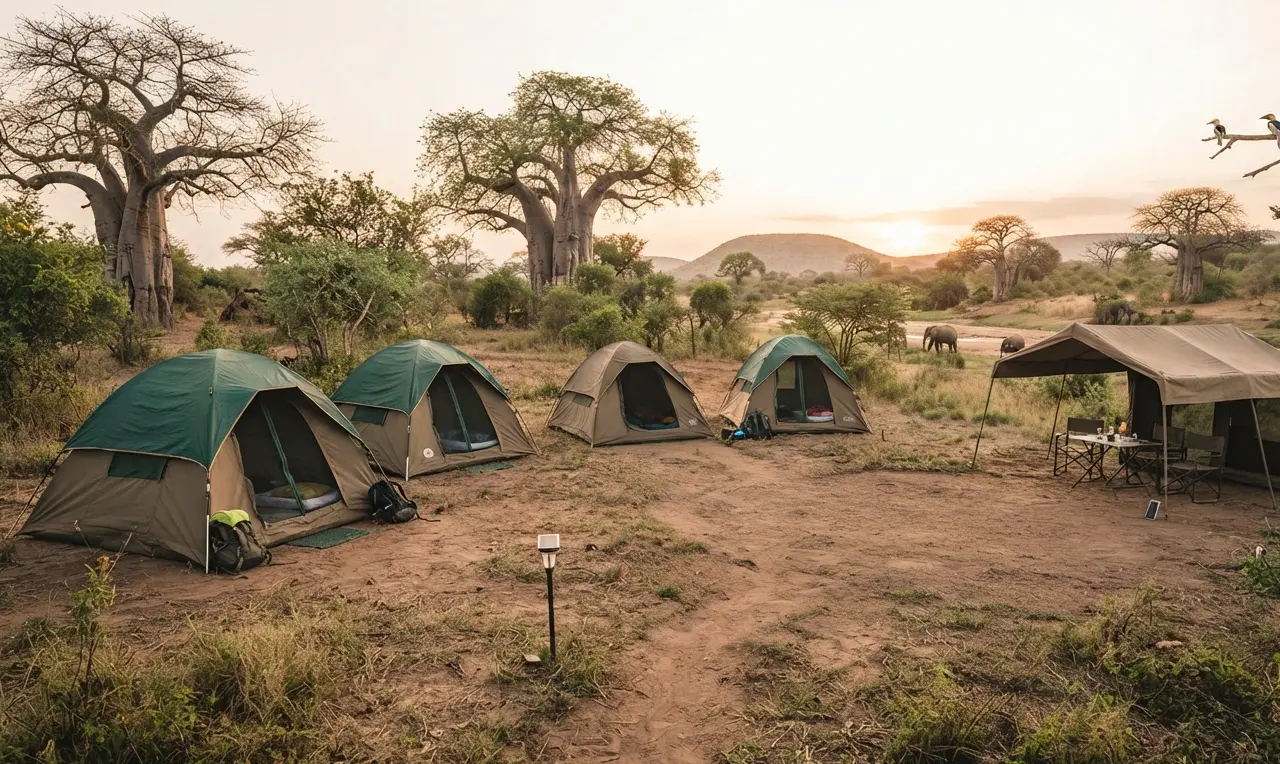
- Sleeping Bag: Rated for 0°C to 5°C (Simba Campsite is cold!). Most operators rent these for $20 if you don't want to carry your own.
Meals on a Camping Safari: The "Bush Chef" Experience
On a budget camping safari, you travel with a dedicated private cook. This ensures you eat fresh, hot food rather than just dry snacks.
- Breakfast: Hot coffee/tea, seasonal fruits (mango, pineapple), eggs (made to order), sausages, pancakes, and toast.
- Picnic Lunch: Usually packed in boxes to maximize game-viewing time. Expect a chicken drumstick or beef cutlet, a boiled egg, a sandwich, juice, fruit, and a small cake/muffin.
- Evening Appetizers: Popcorn or roasted nuts with tea/coffee upon arriving at camp.
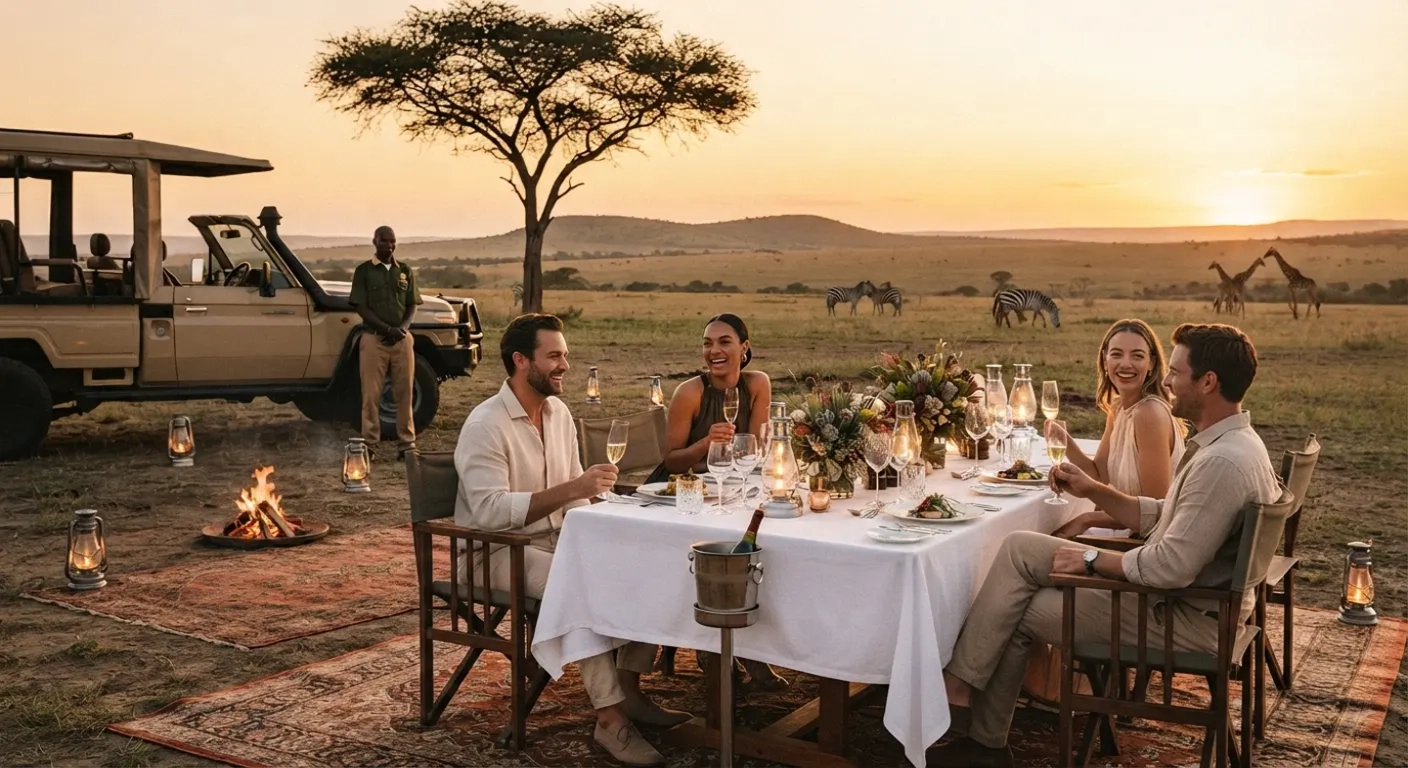
- Dinner: Freshly made soup (carrot, pumpkin, or leek), followed by a main course of rice, pasta, or potatoes served with beef stew, grilled chicken, or traditional Tanzanian Mchuzi (vegetable curry).