Expert Trekking Tips for Success & Safety
While Marangu is technically the easiest to walk, it has the lowest success rate (approx. 42–50%) on the 5-day schedule.
- Hydration is Non-Negotiable: Aim for 3–4 liters of water daily. Dehydration mimics altitude sickness and can force a premature descent.
- The "Pole Pole" (Slowly, Slowly) Principle: Your guides will chant this constantly. Even if you feel fit, walking too fast on Day 1 and 2 is the primary cause of AMS (Acute Mountain Sickness) on Day 3.
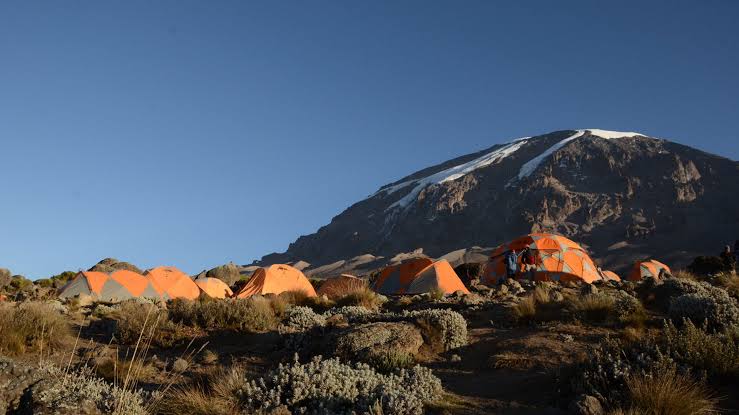
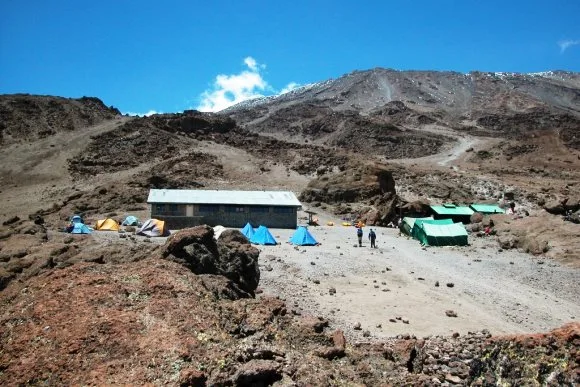
- Strategic Gear Selection: The Marangu huts are not heated. Even though you aren't in a tent, a four-season sleeping bag (rated to 0°F/-18°C) is essential, as temperatures at Kibo Hut regularly drop below freezing.
- Managing the "Saddle": Between Horombo and Kibo (Day 3) is a high-altitude desert known as "The Saddle." It is deceptive; the terrain looks flat but the air is thin. Keep your heart rate low here to save energy for the midnight summit push.
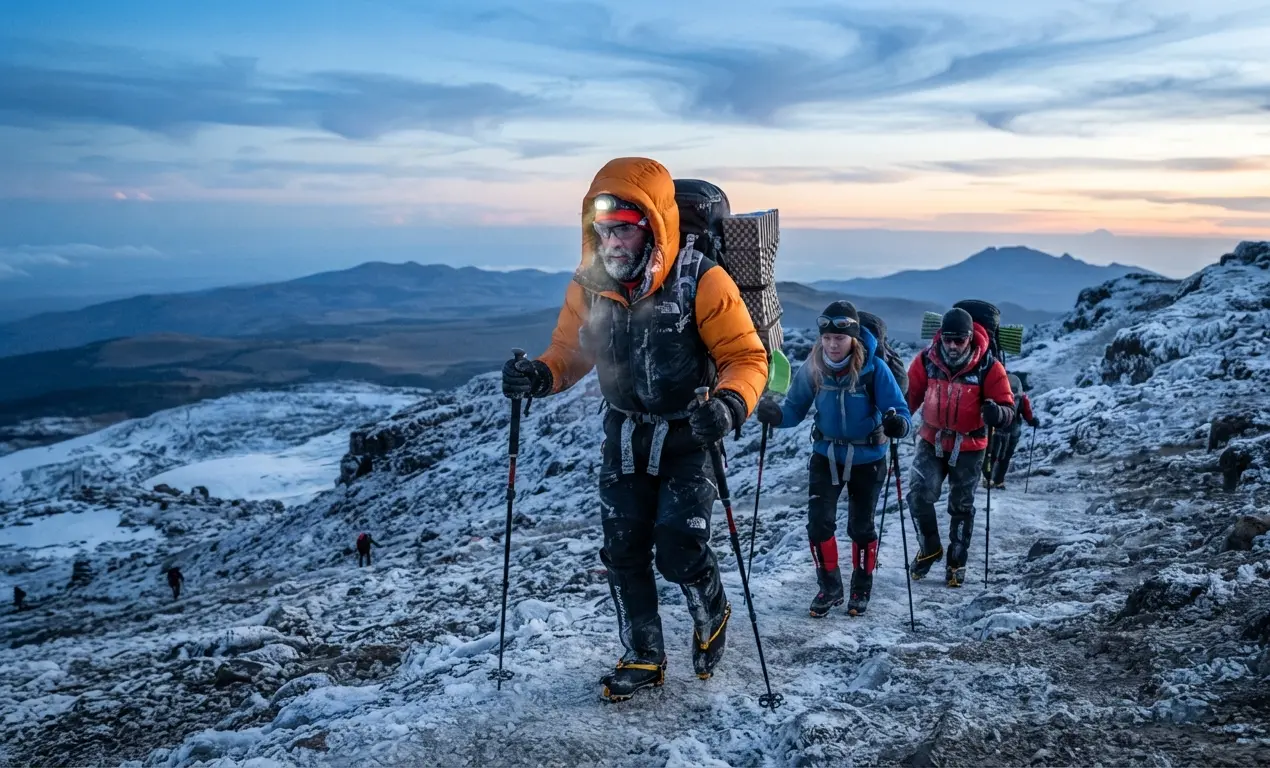
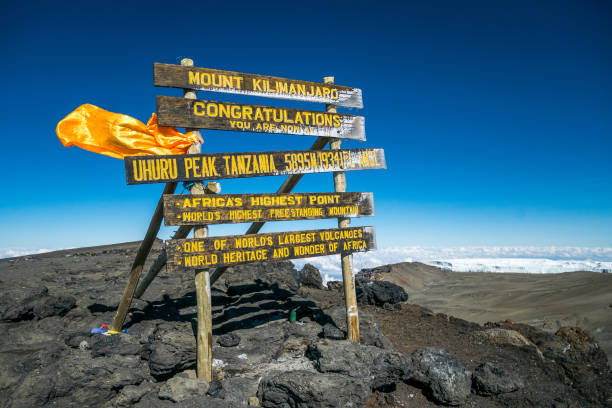
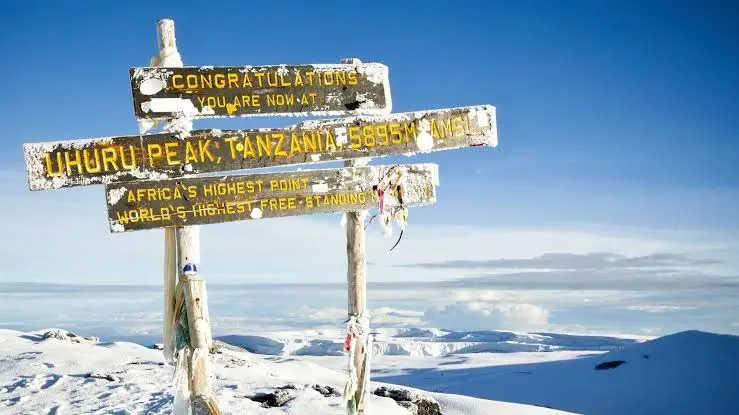
- Mental Fortitude at Gilman’s Point: On summit night, reaching the crater rim at Gilman’s Point (18,652 ft) is the hardest mental hurdle. From there, it is another 1.5–2 hours to Uhuru Peak. Many turn back at Gilman's; remember that if you reach the rim, you are physically capable of the summit.
- Trust Your Guides: They conduct health checks (pulse oximeter tests) twice daily. Be honest about symptoms (headache, nausea, dizziness). Early intervention with Diamox or a slower pace can save your climb.