What To Expect On Kilimanjaro Lemosho Route
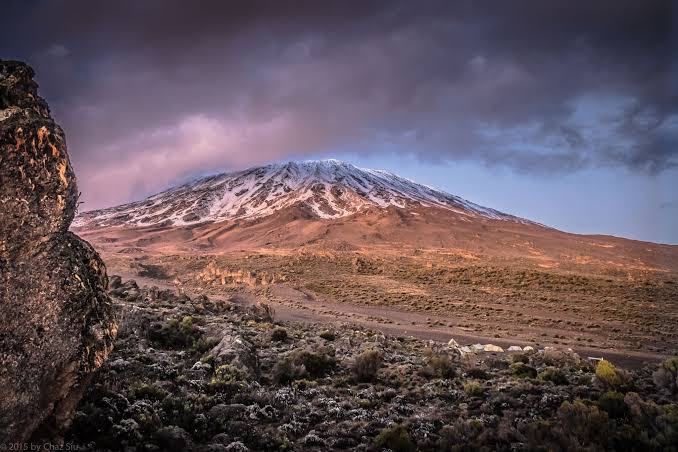
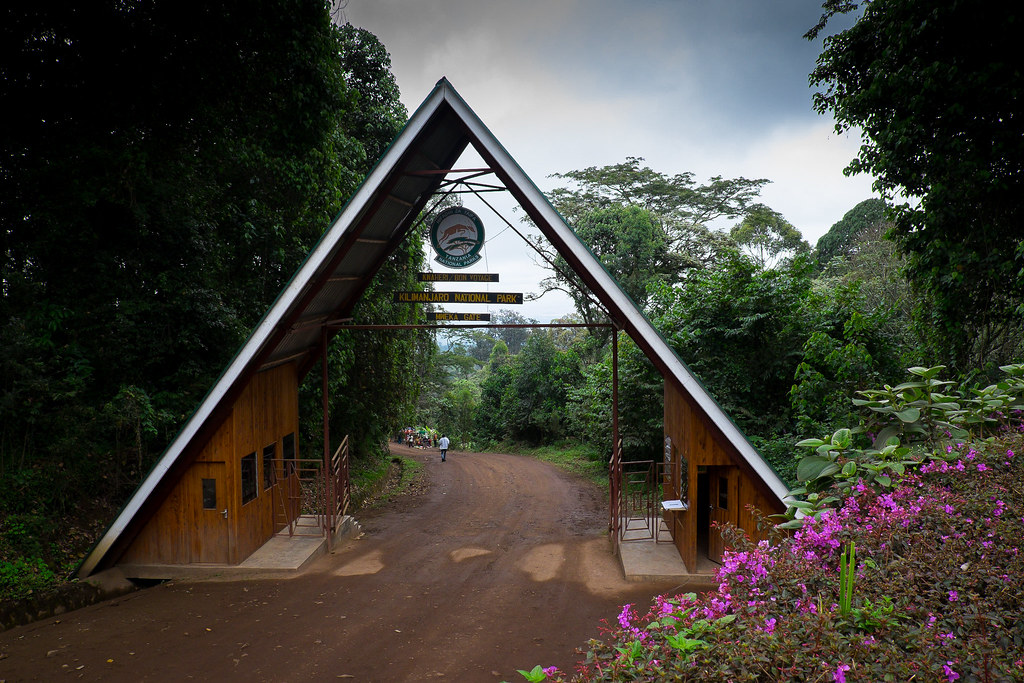
The Lemosho Route is widely considered the most scenic and successful path to the summit of Mount Kilimanjaro. Because it approaches from the west and covers a longer distance (approx 70km/43 miles), it offers a more gradual ascent and superior acclimatization compared to shorter routes.
While there are no official "live" statistics from Kilimanjaro National Park (the last official park-wide data was published in 2006), industry averages from reputable operators and trekking organizations consistently report high success rates for this route.
Success Rates by Itinerary Length
| Itinerary Length | Estimated Success Rate | Recommendation |
| 9 Days | 93% – 95% | Highest chance; involves a night in the crater for experienced trekkers. |
| 8 Days | 90% – 95% | Gold Standard. Offers the best balance of safety and acclimatization. |
| 7 Days | 80% – 85% | Good success rate, but more physically demanding with less recovery time. |
| 6 Days | 65% – 70% | Not recommended. The rapid ascent significantly increases the risk of altitude sickness. |
Key Physical & Technical Challenges on Lemosho
-
The Barranco Wall: Often a highlight, this involves a 90-minute scramble. You don’t need ropes, but you will use your hands to navigate the "Kissing Rock," a narrow section where you hug the cliff to pass.
-
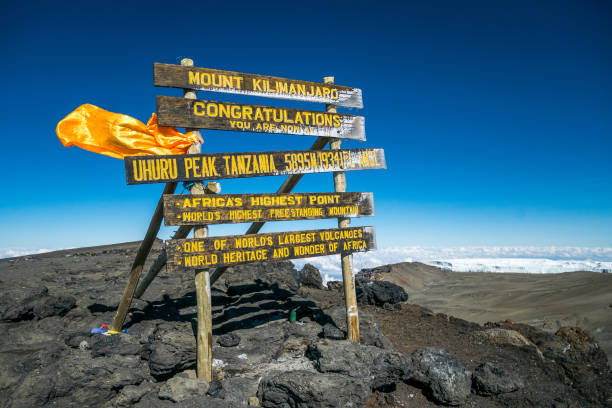
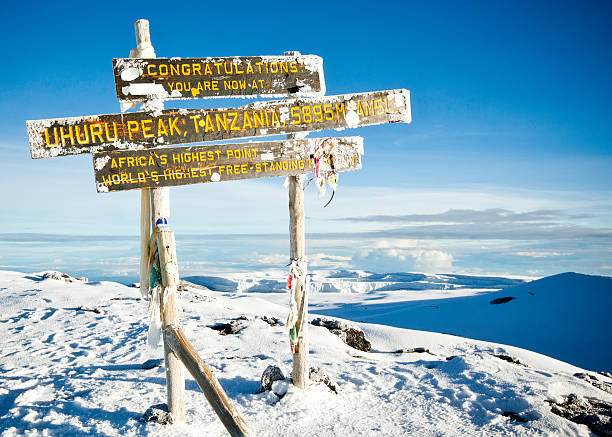
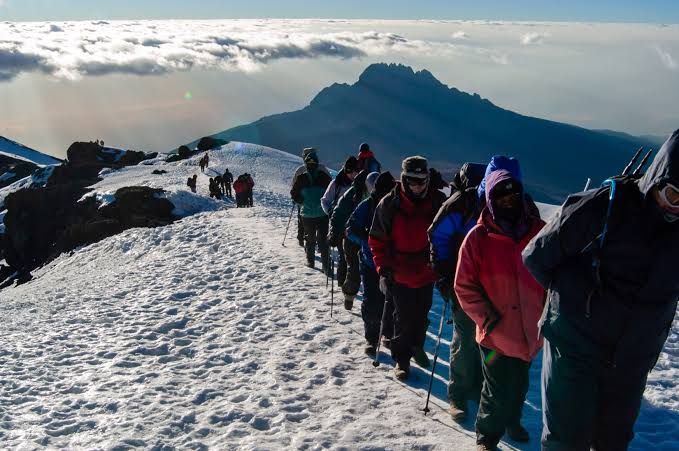
Summit Night: This is the hardest part. You begin around midnight in freezing temperatures (-7°C to -20°C). You will hike for 6–8 hours uphill in the dark, reaching the summit at dawn, followed by another 5–7 hours of descent.
- "Pole Pole": Your guides will constantly say this (Swahili for "slowly, slowly"). Expect to walk at a pace that feels almost too slow; this is vital to prevent altitude sickness.
Life on Lemosho Trail
-
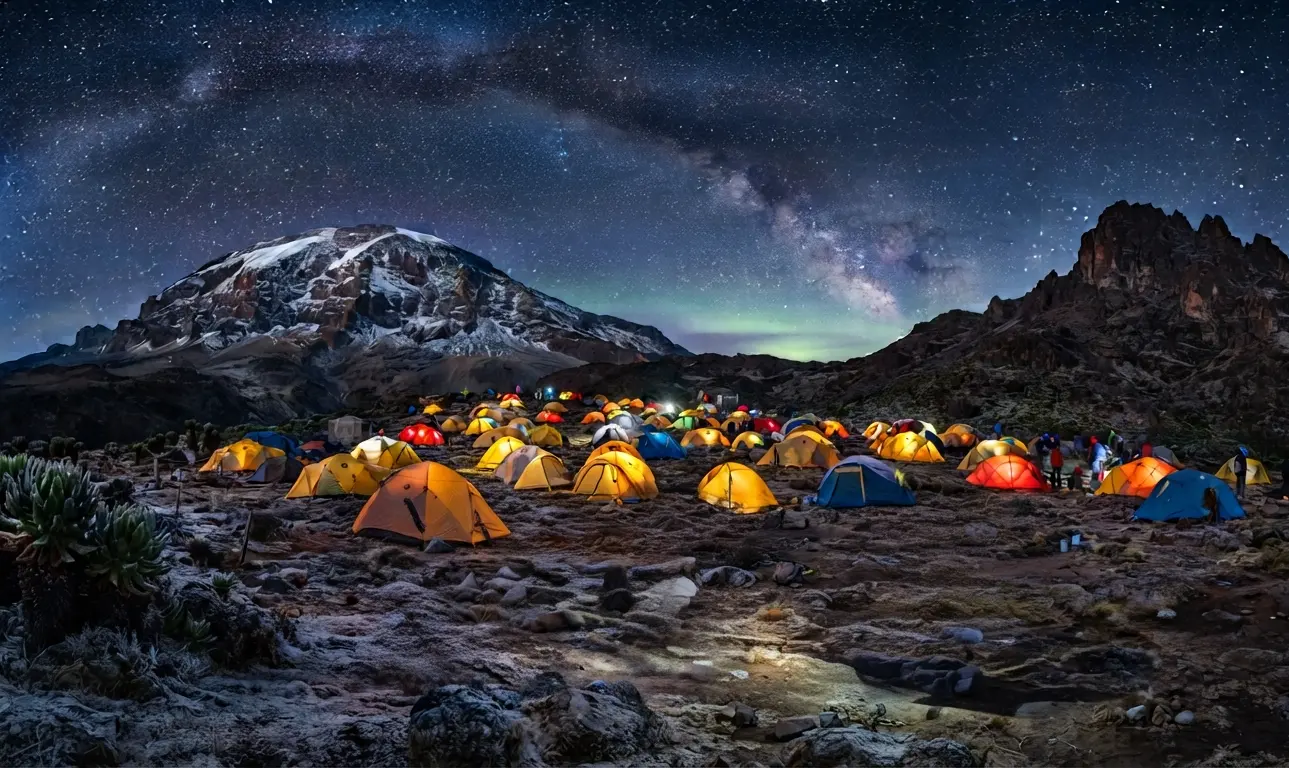
Accommodation: You will sleep in high-quality mountain tents. A team of porters will carry the tents, your heavy bags, and all food/water, setting up camp before you arrive each day.
-
The "Mountain Crew": For a solo climber or small group, expect a support staff of 10–15 people, including a lead guide, assistant guides, a chef, and porters.
-
Food: You’ll eat surprisingly well. Expect hot porridge, eggs, and fruit for breakfast; sandwiches or hot soup for lunch; and hearty pasta, rice, or stews for dinner.
Essential Preparation Tips For Climbing Lemosho Route
-
Gear: You need a high-quality "4-season" sleeping bag and a heavy down jacket for summit night. Waterproof layers are essential as it can rain in the forest at any time of year.
-
Fitness: Focus on "hiking fitness" rather than just gym cardio. The best training is long day hikes with a weighted pack to prepare your legs for the 12–15 hour summit day.
-
Hydration: You must drink 3–4 liters of water daily. Staying hydrated is one of the best defenses against Acute Mountain Sickness (AMS).