Explore
Start Your Journey
8-Day Lemosho Route Kilimanjaro Climbing Tour
Home Packages Mountain Trekking

8-Day Lemosho Route Kilimanjaro Climbing Tour

Tour Focus
Private Tour
Tour Type
Mountain Trekking
Duration
8 Days / 7 Nights
Starting Price
$1,985.00 / person
Destinations
Mount Kilimanjaro National Park

No immediate payment required • Secure Booking Process

From a technical standpoint, the 8-day Lemosho route is the most recommended by professional guides. Its 95% success rate is not a fluke; it is the result of a "staircase" altitude profile that allows for maximum hemoglobin production. By starting at a higher elevation on the west and traversing the Shira Plateau, you gain a massive advantage over the shorter 7&6-day routes.

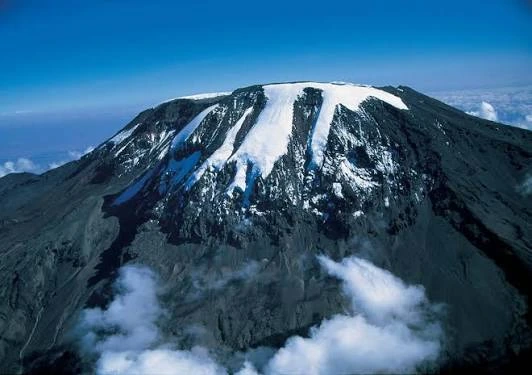
Scale the Kilimanjaro mountain via the 8-day Lemosho Route. Benefit from a 95% success rate, expert medical safety, and elite acclimatization on the mountain’s premier path.

Tour Highlights

  1. Success Rate: Approximately 90–95%, the highest on the mountain due to the "climb high, sleep low" profile.
  2. Scenic Variety: Crosses all five ecological zones, from lush rainforest to arctic desert.
  3. Crowds: Starts on the western side, which is much quieter than the popular Machame or Marangu routes for the first few days.
  4. Difficulty: Physically demanding but beginner-friendly because the 8-day pace allows for gradual adjustment to the altitude.

Why 8 Days instead of 7?

While a 7-day Lemosho tour is common, the 8-day version adds a night at Moir Hut and breaks the trek to the high camp (Barafu) into two shorter days. This
ensures you are well-rested before the grueling midnight summit push, significantly increasing your chances of reaching the top without severe altitude sickness.

8-Day Lemosho Route Kilimanjaro Climbing Tour Detailed Itinerary

A carefully paced journey through Tanzania’s premier wilderness areas, balanced with luxury rest and deep exploration.

Day 01: Londorosi Gate To Mti Mkubwa Camp (Big Tree Camp)

Accommodation: Tented Camp At Mti Mkubwa

You will depart from your accomodation in Moshi town to Londorosi gate which is about 4 hours away after completing entry formalities you will head to Lemosho trailhead. This gentle hike will introduce you to the mountain, winding deep into deep lush rainforest. Along the way keep an eye for the colobus monkey and birdlife. You'll arrive at Mti Mkubwa camp by late afternoon to find you private tents pitched ready for lunch and rest.

  1. Elevation: 2100m - 2650m
  2. Distance: 6 km
  3. Time: 3 - 4 hrs
  4. Zone: Rainforest
Londorosi Gate To Mti Mkubwa Camp (Big Tree Camp)

Day 02: Mti Mkubwa to Shira 1 Camp

Accommodation: Tented Camp

The trail steepens as you leave the forest and enter the heath and moorland zone. You cross the edge of the Shira Caldera. Today involves a significant gain. A professional crew will monitor your pace "Pole, Pole" (Slowly, Slowly) is not just a catchphrase; it is a clinical necessity to prevent early-onset AMS (Acute Mountain Sickness).

  1. Elevation: 9,498 ft to 11,500 ft

Day 03: Shira 1 Camp to Moir Hut

Accommodation: Moir Hut Camp

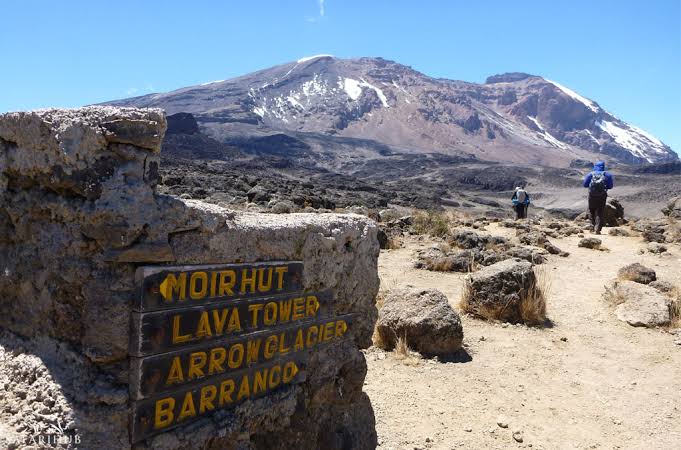
You traverse the Shira Plateau toward the glaciated peak of Kibo. Moir Hut is a secluded site at the base of the Lent Hills. Most 7-day treks skip Moir Hut. By staying here, you add an extra day of "high sleeping," which significantly strengthens your respiratory system for the summit push.

  1. Elevation: 11,500 ft to 13,800 ft
Shira 1 Camp to Moir Hut

Day 04: Moir Hut to Lava Tower to Barranco Camp

Accommodation: Barranco Camp

This is the most critical day for your body. You climb to the "Lava Tower" (a 300ft volcanic plug) for lunch, then descend to Barranco. This follows the "Climb High, Sleep Low" principle. By exposing your body to 15,000+ ft and then sleeping lower, you trigger the production of more red blood cells without the risk of permanent altitude sickness.

  1. Elevation: 13,800 ft to 15,190 ft (Lava Tower) then down to 13,044 ft

Day 05: Barranco Camp to Karanga Camp

Accommodation: Tented Camp

You start the day tackling the Barranco Wall. It looks like a vertical cliff, but it is a "non-technical scramble." Don't use trekking poles on the wall; you'll need your hands for "The Kissing Rock" (a narrow section where you hug the cliff). The views of the southern glaciers from the top of the wall are the best on the mountain.

  1. Elevation: 13,044 ft to 13,106 ft
Barranco Camp to Karanga Camp

Day 06: Karanga Camp to Barafu Camp (High Camp)

Accommodation: Tented Camping

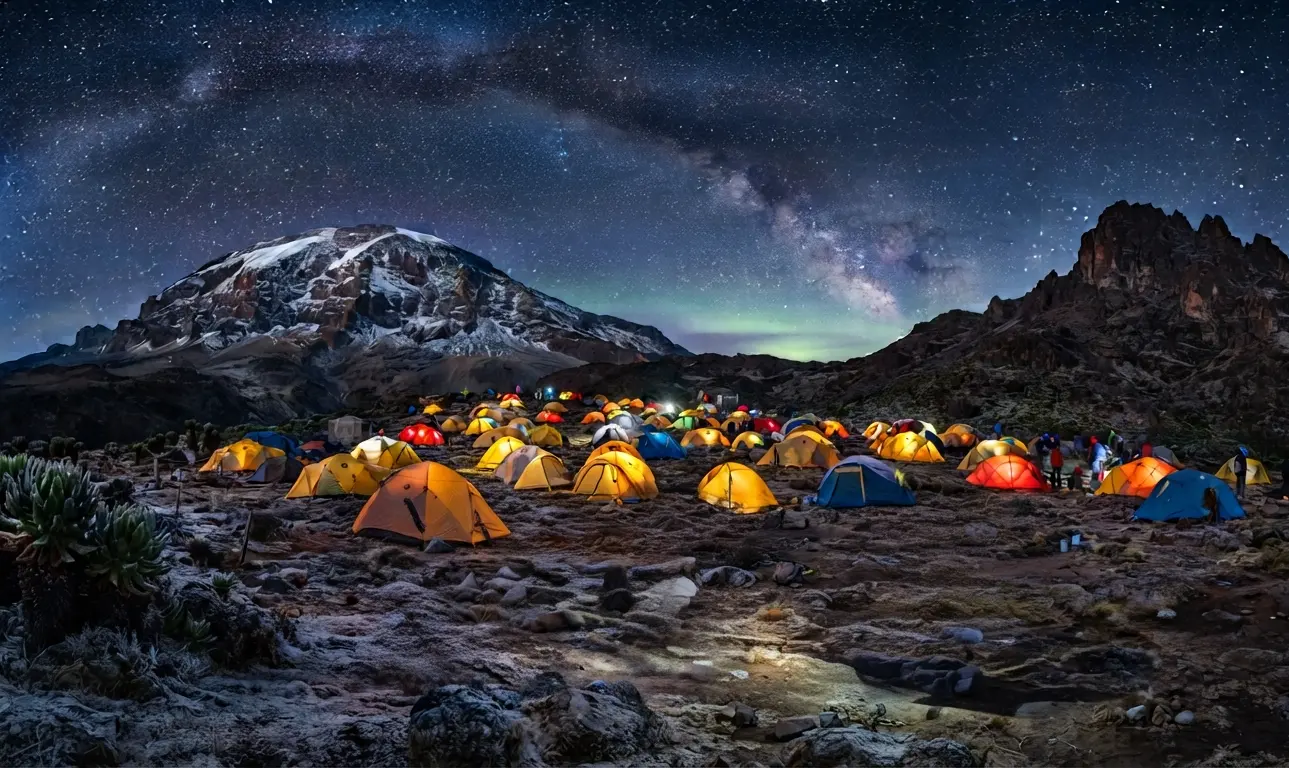
A short but steep hike through the Alpine Desert. You arrive at "Barafu" (Swahili for "Ice") by mid-afternoon. You will eat an early dinner and go to sleep by 7:00 PM. This is a mental preparation day. The "short day" ensures you have maximum glycogen stores for the midnight push.

  1. Elevation: 13,106 ft to 15,331 ft

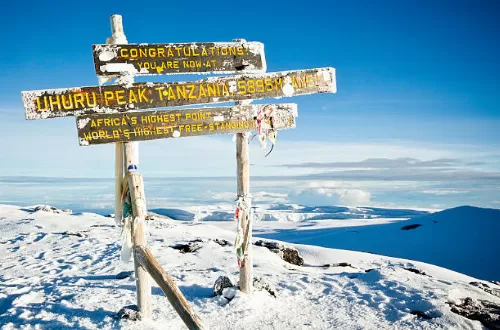
Day 07: Summit Day: Uhuru Peak and Descent

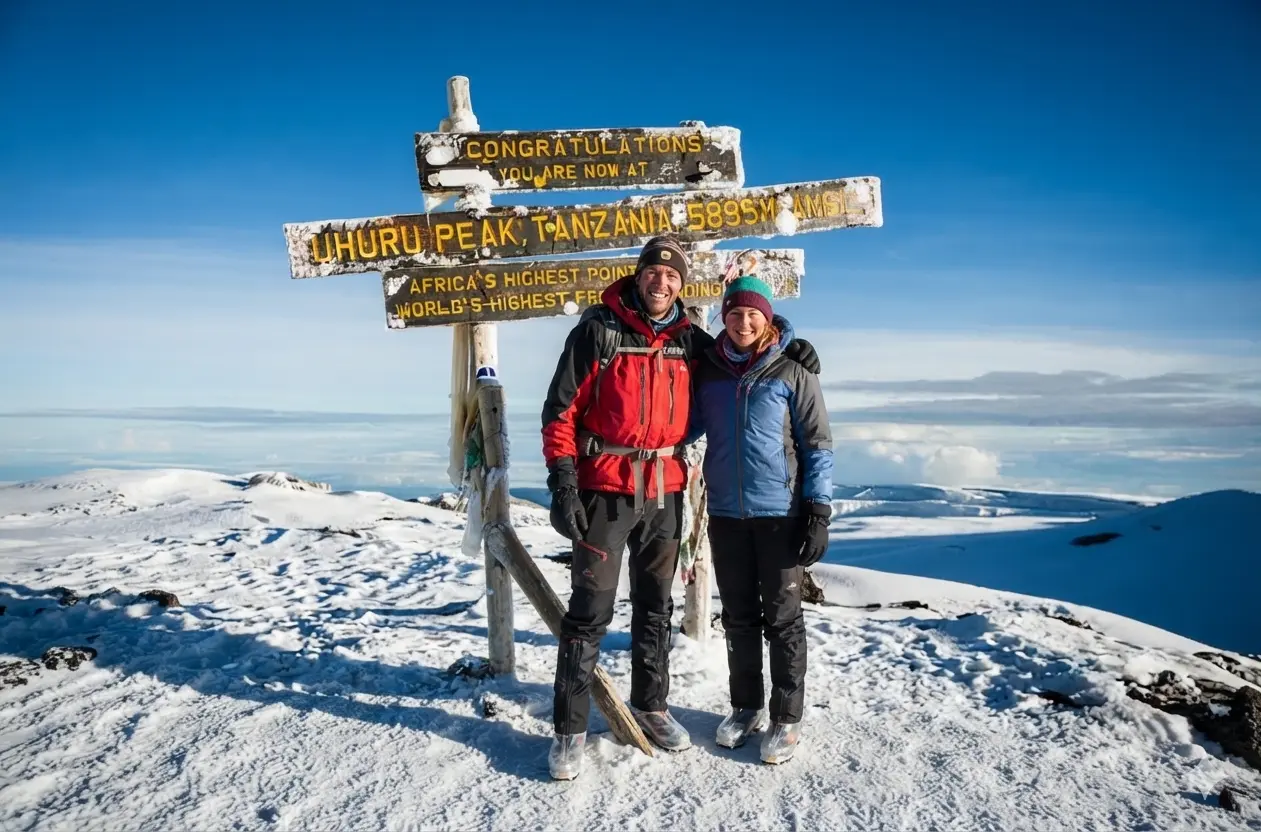
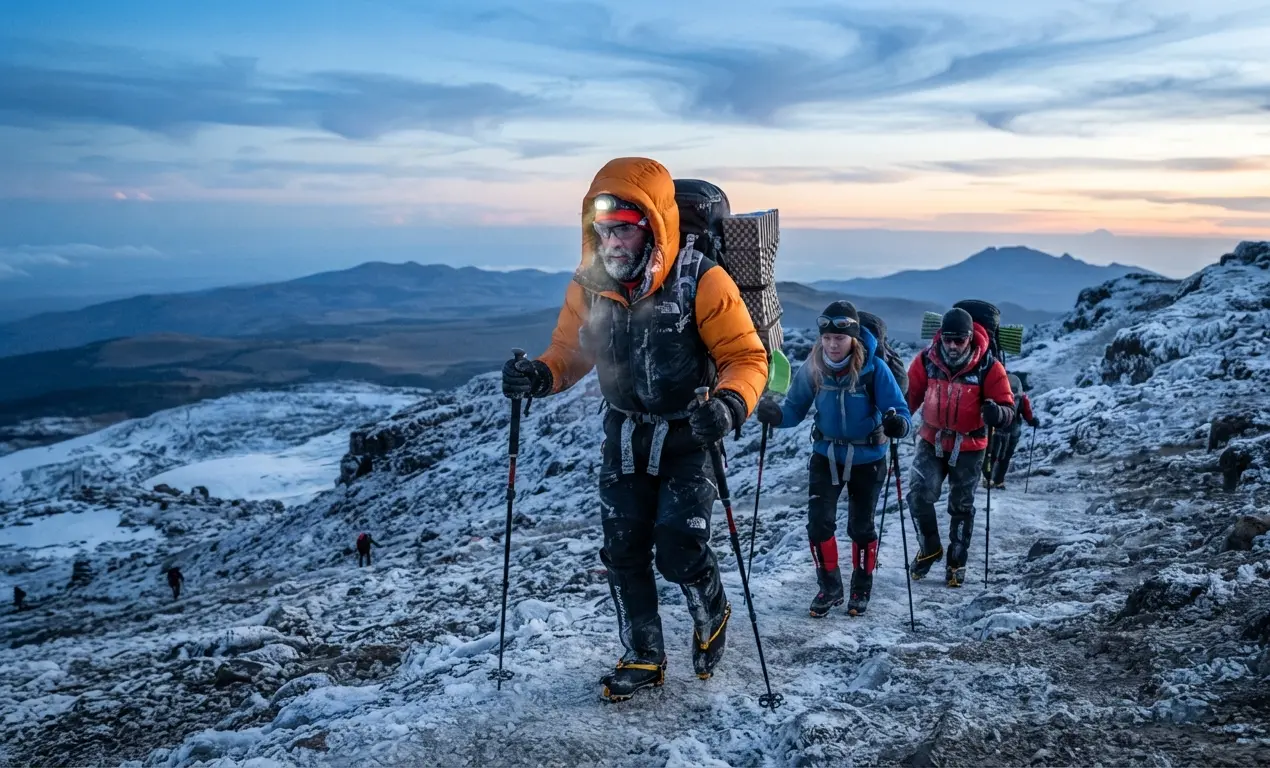
Wake up at 11:00 PM. You climb in darkness using headlamps. The mental battle occurs between Stella Point and Uhuru Peak. Reaching the summit at sunrise is a transcendent experience. On the descent, your knees will take a pounding. This is where trekking poles are mandatory to prevent joint inflammation.

  1. Elevation: 15,331 ft to 19,341 ft (and down to 10,065 ft)
Summit Day: Uhuru Peak and Descent

Day 08: Mweka Camp to Mweka Gate

A final walk through the lush forest. A reputable tour operator will facilitate a formal "tipping ceremony" where the crew sings the Kilimanjaro Song. This is a vital part of the local economy and mountain culture.

Price Logistics

What is Included

  • Park fees Camping fees Rescue fee
  • 18% vat and fees and services
  • Mountain tents
  • Transportation to and fro the gates
  • Professional guides cooks and porters
  • 3 daily meals
  • Fair wages for mountain crew as approved by Kinapa and Kiato
  • Pre and post accommodation

What is Excluded

  • International and local flight
  • Tips to Guide and climbing crew
  • Personal items
  • Laundry services
  • Health insurance
  • Portable flush toilet with tent is extra (100USD)
  • Travel Insurance
  • VISA

Best Time For A Climbing Tour

Tanzania has two distinct dry seasons which are the ideal times for a trek:

  1. January to Mid-March: Generally warmer with clear skies in the mornings and evenings.
  2. June to October: The most popular time; weather is stable, though it can be colder at night.
  3. Note: Avoid April, May, and November as these are the rainy seasons, making trails slippery and visibility poor.

Essential Climbing Gear List For Kilimanjaro

Most tour operators provide tents and large communal equipment, but you must
bring personal gear:

  1. Clothing Layers: Moisture-wicking base layers (merino wool), an insulating mid-layer (fleece or light down), and a heavy-duty waterproof outer shell.
  2. Footwear: Broken-in waterproof hiking boots, thermal socks, and gaiters to keep scree out of your shoes.
  3. Accessories: A high-quality headlamp (for summit night), trekking poles (essential for the descent), and a 2–3 liter water bladder (Camelbak).
  4. Bags: A 30–35L daypack for yourself and a large waterproof duffel bag (up to 15kg/33lbs) for the porters to carry.
Price from

$1,985.00 per person
Best price guarantee
Free cancellation 30 days
Expert local guides

Need Help?

Our travel experts are here to help you plan your perfect safari

Contact Us